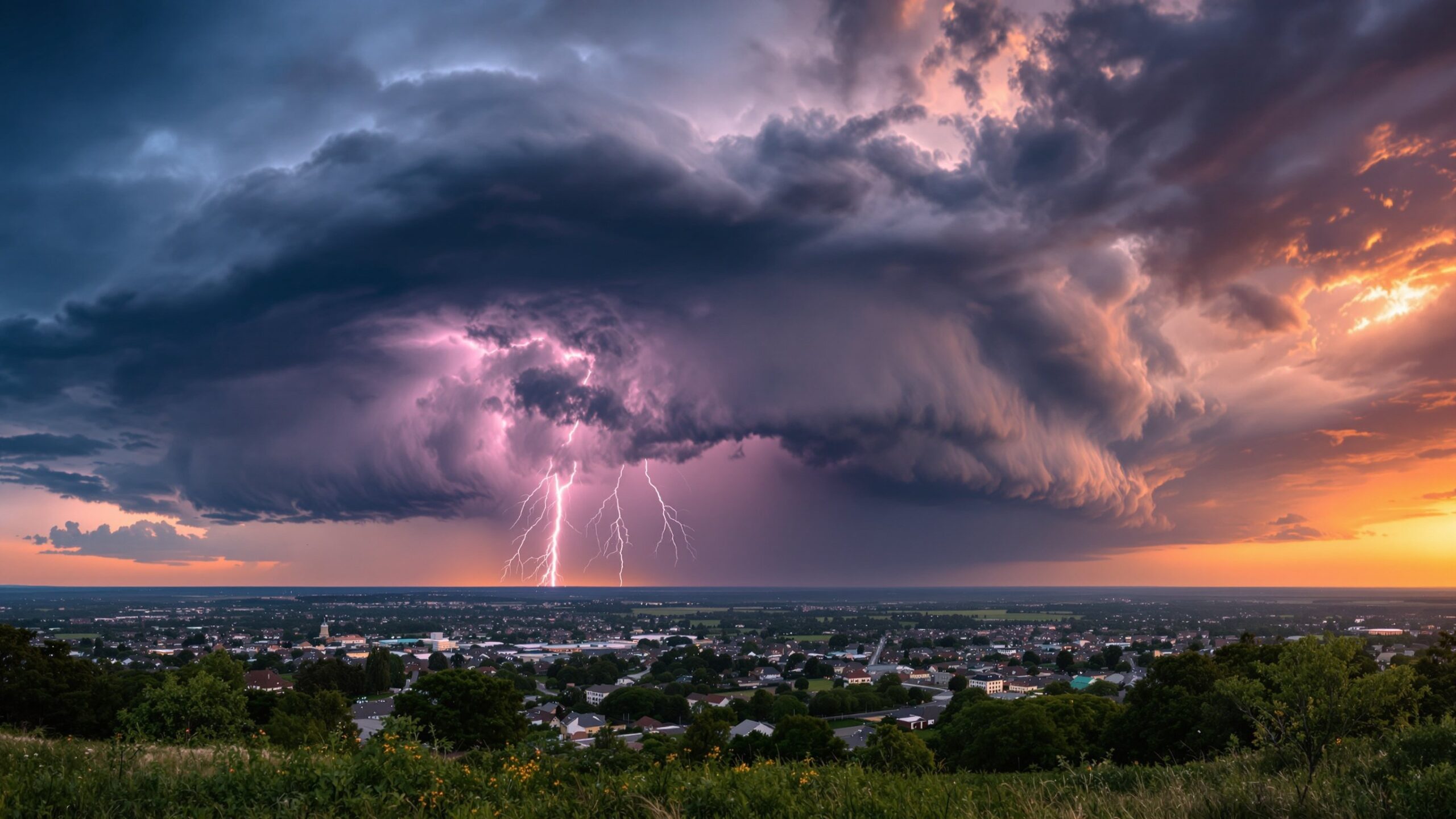
When the sky darkens and the wind begins to roar, severe weather alerts become your first line of defense. On Weather Street, this category brings you straight into the heart of the storm—where precision forecasting meets real-time protection. From tornado warnings and flash flood advisories to hurricane updates and extreme heat alerts, every signal carries vital information that can save lives. Here, we break down what each alert means, how meteorologists issue them, and what actions you should take when seconds matter. But this isn’t just about warnings—it’s about awareness, readiness, and the fascinating science behind nature’s most powerful forces. Whether you’re tracking a thunderstorm sweeping across the plains or a blizzard barreling toward the coast, Severe Weather Alerts keeps you informed, empowered, and ahead of the elements. Dive in to understand how these alerts work, explore regional response systems, and learn how to turn awareness into action when weather turns wild.
A: A Watch means conditions are favorable; a Warning means the threat is happening or imminent.
A: Through NOAA Weather Radio, smartphone alerts, and local broadcast systems.
A: They’re designed for outdoor warning—use other sources indoors.
A: Move to higher ground immediately—never drive through flooded roads.
A: Many animals react to pressure changes or low-frequency thunder before humans notice.
A: It’s safer to over-warn than under-warn; detection tech isn’t perfect yet.
A: Hurricanes and tropical storms use rotating name lists from the World Meteorological Organization.
A: Not yet—forecasters can identify likely regions but not precise formation points.
A: A targeted warning area defined by radar, rather than whole counties.
A: Build an emergency kit, have a shelter plan, and monitor multiple alert systems.

How to Read Severe Weather Alerts Like a Meteorologist
Severe weather alerts don’t have to feel confusing or alarming. Discover how meteorologists interpret watches, warnings, radar data, and storm signals to predict danger before it strikes. This guide reveals how to read alerts with expert-level awareness so you can respond faster, stay safer, and understand exactly what the sky is telling you.

Tornado Warning vs Tornado Watch: What the Difference Really Means
When severe weather strikes, seconds matter. Discover the critical difference between a tornado watch and a tornado warning—and why understanding both could save lives when storms turn dangerous.

What to Do Immediately After a Severe Thunderstorm Warning Is Issued
When a severe thunderstorm warning is issued, every second matters. Discover the critical actions that protect your home, family, and safety when powerful storms strike without warning.
