

Thunderstorms and lightning are nature’s most dramatic performances—towering clouds, rolling thunder, sudden downpours, and flashes of electric fire that light up the sky in seconds. On Weather Street, this sub-category dives into the heart of these powerful storm systems, exploring how they form, why they strike, and what they mean for the world around us. From fast-building summer pop-up storms to long-tracking severe weather outbreaks, thunderstorms shape landscapes, influence climate patterns, and impact daily life in unforgettable ways. Lightning alone carries both awe and danger, splitting the sky with millions of volts in an instant while powering the chemistry of our atmosphere. Here you’ll uncover the science behind thunder, the hidden mechanics inside storm clouds, real-world impacts on cities and nature, and the safety knowledge that can save lives. Whether you’re fascinated by storm photography, chasing weather systems, or simply curious about the rumble outside your window, this collection brings you face-to-face with the raw energy, mystery, and beauty of thunderstorms and lightning.
A: Up to 10 miles from the rain shaft.
A: Distance, terrain, and cloud shape affect sound waves.
A: Yes—especially tall structures.
A: Rapid downdrafts of rain-cooled air.
A: Yes, due to stronger heat-driven updrafts.
A: Avoid wired devices during lightning activity.
A: A storm producing lightning but little surface rain.
A: Surface heating that fuels updrafts disappears.
A: A rare thunderstorm that occurs during snowfall.
A: Fully enclosed buildings or hard-top vehicles.
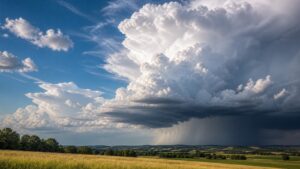
What Causes Thunderstorms and How Do They Form?
Thunderstorms form when warm moist air rises, cools, condenses, and builds deep clouds. Lift, instability, moisture, and wind shape how storms grow.
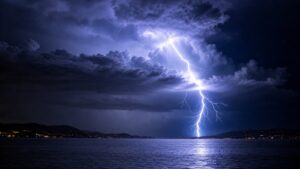
Lightning Explained: How Nature Creates Massive Electrical Discharges
Lightning forms when thunderstorms separate electric charge until air breaks down and a massive discharge connects cloud, air, or ground.
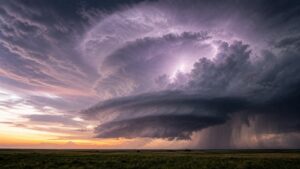
The Most Powerful Thunderstorms Ever Recorded
The most powerful thunderstorms are measured by hail, wind, rainfall, lightning, height, and tornado production. No single record captures every kind of storm power.