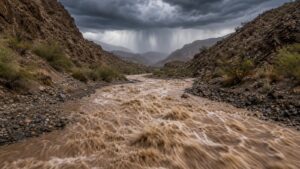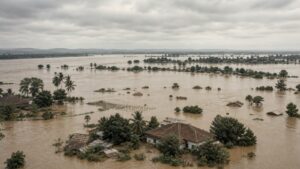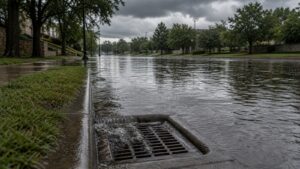
When the skies open and the rain refuses to stop, nature unleashes one of its most dramatic forces—floods and flash floods. On Weather Street, we dive deep into this powerful phenomenon that can turn tranquil creeks into raging torrents and city streets into rushing rivers in minutes. From slow-rising river floods that creep in like a quiet invader to sudden flash floods that strike without warning, this sub-category explores the science, causes, impacts, and surprising stories behind these water-driven disasters. Discover how topography, urbanization, and climate shifts fuel flooding events, and explore survival tips, tech tools, and early warning systems that save lives. Whether you’re fascinated by the raw force of nature or looking to stay safe in a flood-prone region, our collection of articles breaks it all down with engaging insights, gripping facts, and expert knowledge. Take a journey through the surge zones, the warning signs, and the resilience of communities who weather the waves—because when water rises, every second counts. Welcome to Floods and Flash Floods on Weather Street.
A: A watch means possible flooding; a warning means flooding is occurring or imminent.
A: Often within minutes to a few hours after heavy rain.
A: Yes, from dam failures, ice jams, or snowmelt.
A: Never—water depth and road damage are hidden.
A: Reduced visibility hides rising water and hazards.
A: Yes, runoff accelerates downhill rapidly.
A: Yes, due to drainage issues and extreme rainfall.
A: Structural and mold damage can persist for months.
A: Yes, contamination risk is high after floods.
A: Intense thunderstorms over saturated or urban land.