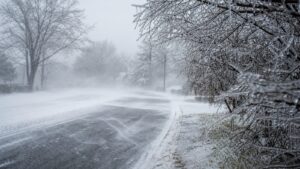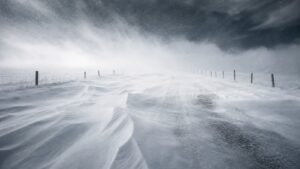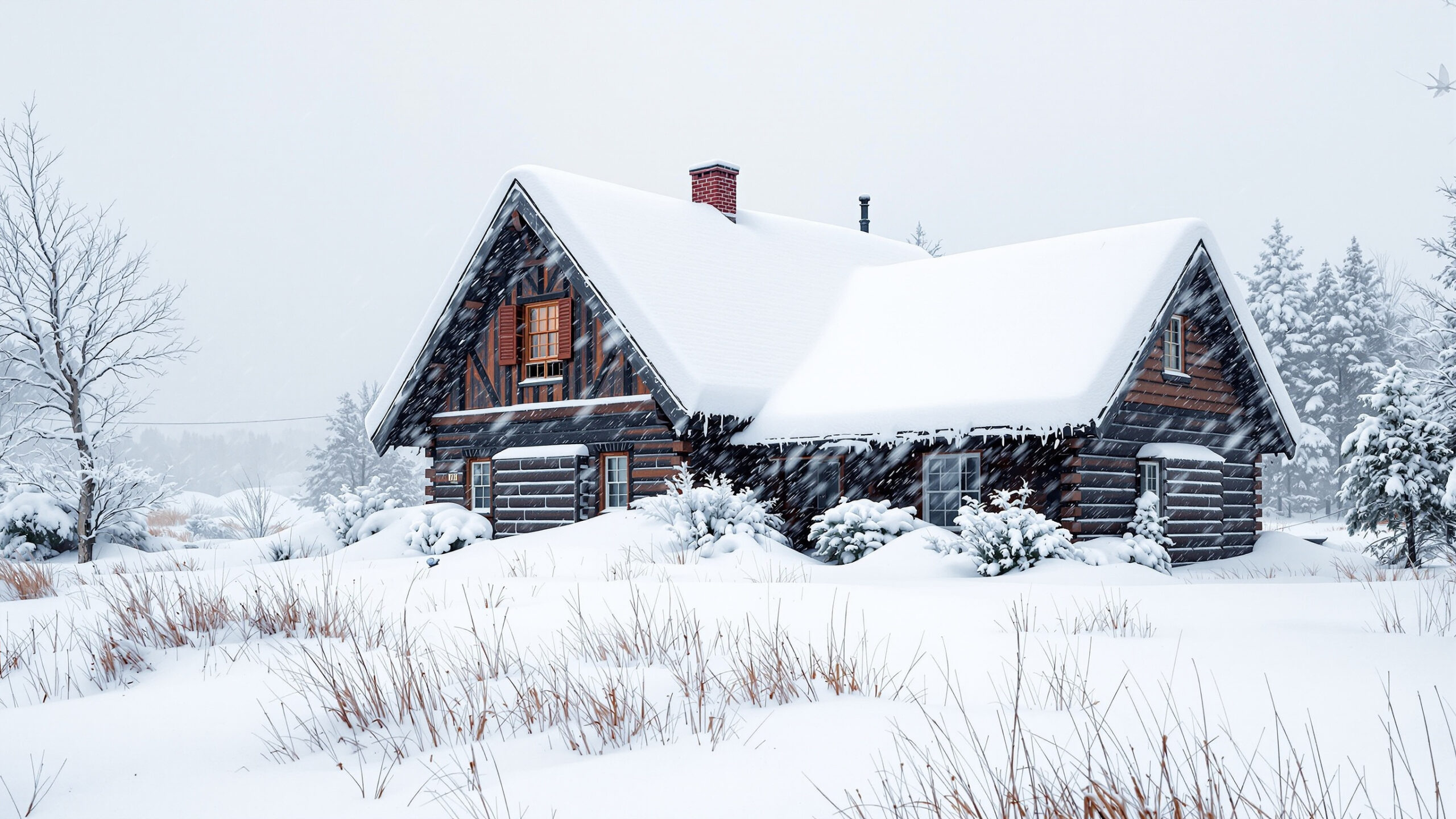
When the skies turn steel gray and the air whispers with an icy bite, nature prepares to unleash its most chilling spectacle — Blizzards and Ice Storms. On Weather Street, this electrifying sub-category dives deep into the dramatic world of snow-laden chaos and glassy peril. Explore how blizzards bury towns under mountains of snow, reduce visibility to mere feet, and transform roads into treacherous white labyrinths. Discover the science behind ice storms — those silent yet destructive events where rain freezes on contact, coating every surface in a crystal shell of danger and beauty. From the anatomy of a whiteout to the eerie crack of ice-laden branches snapping in the wind, this is where meteorological intensity meets survival stories, historical records, and forecasting breakthroughs. Whether you’re a snowstorm enthusiast, a prepper, or just weather-curious, step into this frozen frontier to learn how these powerful winter storms form, how to stay safe, and why they remain one of the most awe-inspiring forces on Earth. Let the storm chase begin!
A: Yes, blowing existing snow can meet blizzard criteria.
A: Ice adds extreme weight to trees and power lines.
A: Freezing rain adheres to surfaces, making it more hazardous.
A: Some persist over 24–48 hours.
A: Ice-weighted lines and falling tree limbs.
A: No, they require a precise mix of wind and snowfall.
A: Thunder and lightning occurring during heavy snow.
A: Using air temperature and wind speed.
A: They freeze faster than surrounding roads.
A: Yes, but small temperature shifts can change outcomes.