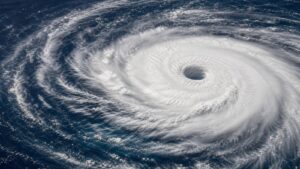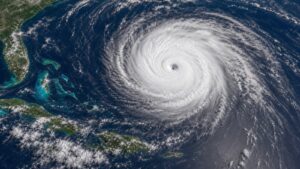
Unleashing the awe-inspiring power of nature, hurricanes and cyclones are Earth’s most dramatic atmospheric spectacles—spinning giants born over warm ocean waters and fueled by nature’s raw energy. This sub-category on Weather Street dives deep into the science, stories, and survival strategies surrounding these tropical tempests. From the swirling cores of Atlantic hurricanes to the fierce fury of Pacific cyclones, you’ll explore what makes these storms form, how they evolve, and the devastating impact they leave in their wake. Whether you’re fascinated by their meteorological mechanics, curious about historical superstorms, or seeking practical preparedness tips, our collection of articles delivers everything you need to know. Get swept up in detailed breakdowns of wind speeds, pressure drops, storm surges, and naming systems. Discover how satellites, radar, and storm chasers track their paths. And go behind the headlines to uncover surprising facts, climate connections, and the global patterns that turn tropical breezes into record-breaking disasters. Welcome to Hurricanes and Cyclones—where weather gets wild, and knowledge is your best defense.
A: They are the same storm type—only the regional name differs.
A: A dome of seawater pushed ashore by hurricane winds.
A: The Coriolis effect is too weak there to create rotation.
A: Any category can be deadly due to flooding and surge.
A: Track accuracy is now within ~200 miles on average.
A: No, they require warm ocean energy.
A: Very warm water, low shear, and high atmospheric moisture.
A: They lose ocean heat and encounter surface friction.
A: Typically 10–20 mph but can stall.
A: Follow evacuation orders immediately when issued.