

Tornadoes and supercells are nature at its most dramatic—towering skies alive with rotating power, sudden lightning, and the thrilling tension of storms that can reshape landscapes in minutes. This section of Weather Street dives deep into the science, mystery, and real-world impact of the world’s most intense thunderstorms. From the towering anatomy of supercell storms to the raw, spiraling force of tornadoes, you’ll explore how these storms form, why they become so dangerous, and what makes them some of the most closely watched weather events on Earth. Our collection of articles brings together cutting-edge research, storm-chaser insights, historical outbreaks, safety strategies, and the evolving technology used to track these powerful systems in real time. Whether you’re fascinated by the physics of rotating updrafts, curious about storm behavior across different regions, or seeking deeper understanding of how tornadoes impact communities, this hub is your gateway into the heart of extreme weather. Step inside the storm and discover the forces that shape our skies with astonishing speed and power.
A: Several days of elevated risk can be flagged, but exact storm tracks and tornado locations are only known within hours.
A: No. Tornadoes have hit large cities and downtowns—urban areas are not protected by skyscrapers.
A: No. It wastes precious time and does not reduce damage—go straight to your safe place instead.
A: A small, windowless interior room or basement, on the lowest level, away from exterior walls.
A: Overpasses can actually increase wind speed and debris—do not shelter there if you can avoid it.
A: No. Many supercells only produce large hail or damaging straight-line winds.
A: Shape depends on storm structure, moisture, and viewing angle—not just strength.
A: Researchers are studying shifts in where and when tornadoes occur, but long-term trends are complex.
A: A funnel cloud hasn’t reached the ground; once it contacts the surface and causes circulation there, it’s a tornado.
A: Identify a safe room, practice drills, keep helmets and sturdy shoes ready, and ensure alerts are enabled on phones and radios.
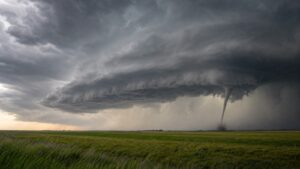
What Is a Tornado and How Does It Form?
A tornado is a violently rotating column of air connected to a thunderstorm and the ground. Learn how wind shear, rising air, and storm structure create one.
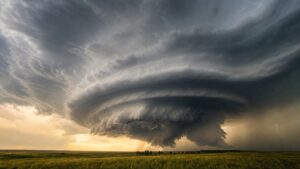
How Supercell Thunderstorms Create the Most Dangerous Tornadoes
Supercell thunderstorms create the most dangerous tornadoes when a rotating updraft, strong low-level shear, and favorable inflow tighten rotation near the ground.
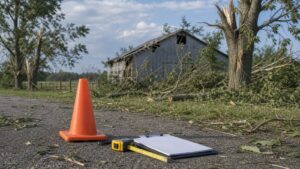
Tornado Categories Explained: EF0 to EF5 Damage Ratings
Tornado EF ratings estimate wind speeds from observed damage. Learn what EF0 through EF5 mean, why ratings are assigned after surveys, and what the scale misses.