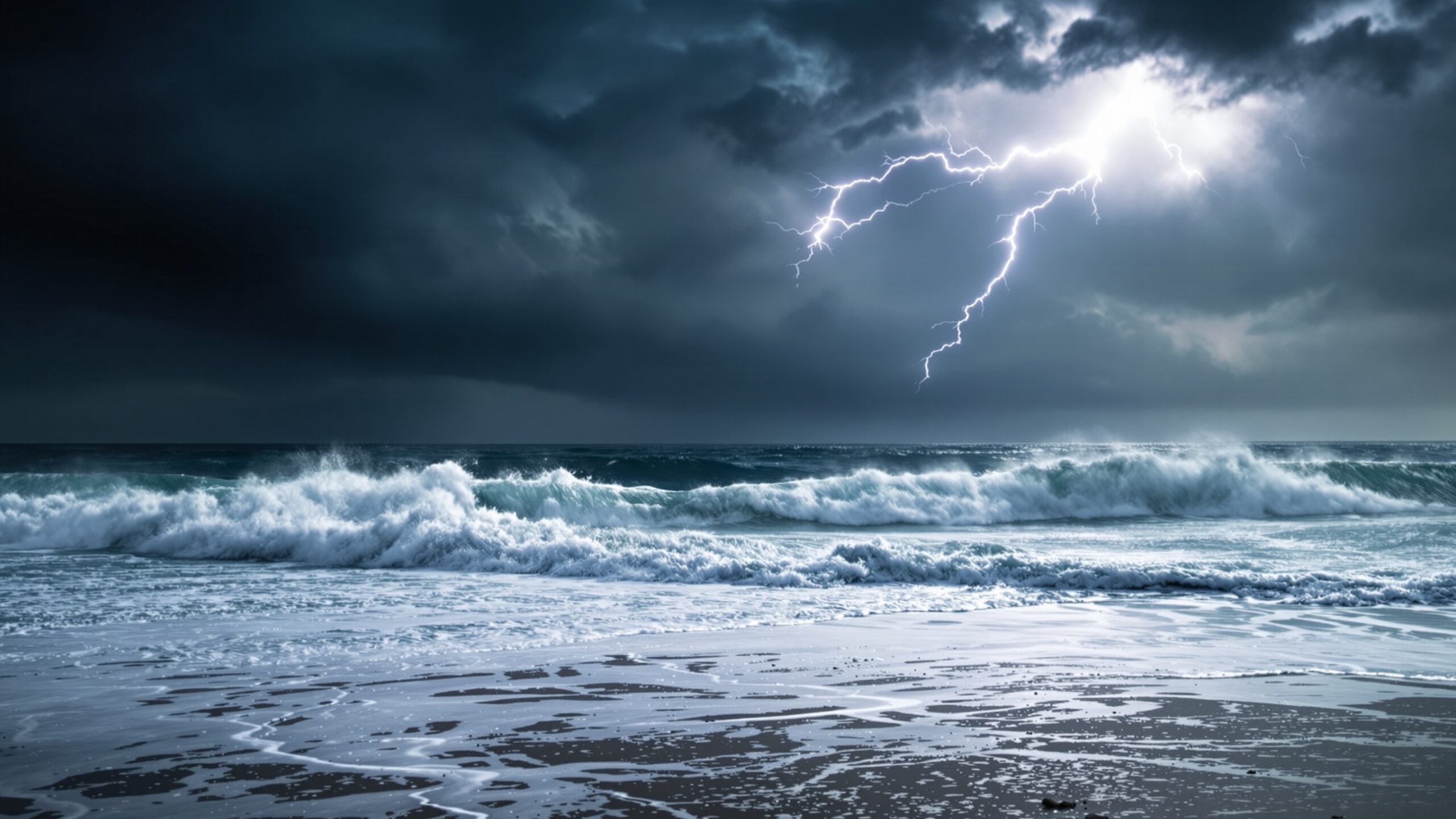
A Dynamic Edge: Where Ocean Meets Atmosphere
Coastal regions are among the most meteorologically dynamic environments on Earth. The interface between ocean and land acts as a battleground for atmospheric forces, where temperature gradients, pressure systems, and moisture-rich air masses collide to produce rapidly evolving weather conditions. Right now, storm systems are actively shaping beach environments across the globe, influencing everything from wave height and wind direction to coastal flooding and erosion.
Understanding the current coastal weather outlook requires a synthesis of satellite data, oceanographic observations, and atmospheric modeling. Storm systems affecting beaches today are not isolated events; they are interconnected phenomena driven by large-scale circulation patterns such as jet streams, tropical oscillations, and seasonal shifts. For coastal communities, tourists, and maritime industries, staying informed is not just practical—it is essential.
A: Interactions between ocean heat, air pressure, and atmospheric systems.
A: Rising sea levels pushed inland by strong winds and low pressure.
A: Use radar apps, satellite imagery, and local forecasts.
A: Fewer land barriers allow winds to travel faster.
A: A strong, narrow flow of water moving away from shore.
A: Yes, they gain energy from warm ocean surfaces.
A: Falling pressure, increasing winds, and darkening skies.
A: High tides can worsen flooding and surge impacts.
A: Yes, shifting atmospheric patterns can alter paths.
A: Follow local advisories and avoid shoreline exposure.
The Anatomy of Coastal Storm Systems
Storm systems impacting beaches typically fall into several categories, each with distinct characteristics and implications. Extratropical cyclones, often referred to as mid-latitude storms, dominate many coastal regions outside the tropics. These systems form along frontal boundaries where warm and cold air masses meet, generating strong winds, heavy precipitation, and significant wave action.
In tropical and subtropical zones, tropical cyclones—including hurricanes, typhoons, and cyclones—pose a more intense threat. These systems derive their energy from warm ocean waters and can rapidly intensify, bringing storm surges, torrential rainfall, and destructive winds to coastal areas. Even when not making landfall, their expansive wind fields can generate powerful swells that travel hundreds or even thousands of miles, impacting distant beaches.
Another critical player in the current coastal weather outlook is the coastal low, sometimes called a nor’easter in the Atlantic. These systems develop near coastlines and can linger, amplifying their effects over several days. Their slow movement often leads to prolonged periods of rough surf, beach erosion, and localized flooding.
Current Global Patterns Driving Coastal Storm Activity
At present, several large-scale atmospheric patterns are contributing to heightened storm activity along coastlines. The positioning and strength of the jet stream play a central role. When the jet stream dips southward, it allows cold air to interact more aggressively with warm ocean surfaces, increasing cyclogenesis along coastal zones.
Simultaneously, ocean surface temperatures remain a critical factor. Warmer-than-average sea surface temperatures in many regions are providing additional energy to developing storm systems, enhancing their intensity and longevity. This is particularly evident in tropical basins, where even marginal increases in water temperature can significantly influence storm development.
Oscillatory climate patterns such as the El Niño-Southern Oscillation (ENSO) also shape current coastal conditions. Depending on its phase, ENSO can either suppress or enhance storm formation in different ocean basins. In the present context, its influence is contributing to a redistribution of storm activity, with some coasts experiencing unusually active conditions while others remain relatively calm.
Storm Systems Impacting North American Beaches
Along the Atlantic coast of North America, recent storm systems have been characterized by strong low-pressure centers moving offshore. These systems are generating elevated surf conditions, with wave heights exceeding seasonal averages. Coastal flooding is a concern in low-lying areas, particularly during high tide cycles when storm surge effects are amplified.
On the Gulf Coast, the interplay between warm waters and moist air masses is fostering convective storm development. While these systems may not always reach the intensity of hurricanes, they can produce heavy rainfall, localized flooding, and sudden wind shifts that impact beach safety and navigation.
The Pacific coastline is experiencing a different set of dynamics. Here, long-period swells generated by distant storms in the open ocean are arriving at beaches, creating hazardous surf conditions. Combined with onshore winds, these swells can lead to rip currents, one of the most dangerous hazards for beachgoers.
European and Mediterranean Coastal Impacts
European coastlines are currently under the influence of active Atlantic storm tracks. The British Isles and western continental Europe are seeing frequent passage of low-pressure systems, bringing gusty winds, rain, and rough seas. Coastal erosion is a growing concern in areas where repeated storm impacts are weakening natural defenses such as dunes and cliffs.
In the Mediterranean, storm activity is often more localized but can be intense. Warm sea surface temperatures combined with atmospheric instability are producing convective systems capable of heavy rainfall and sudden coastal flooding. These events, sometimes referred to as “medicanes” when they exhibit tropical-like characteristics, are becoming an increasingly important component of the regional coastal weather outlook.
Asia-Pacific Coastal Weather Trends
The Asia-Pacific region is no stranger to powerful coastal storm systems, and current conditions reflect this reality. Typhoon activity remains a dominant force, with several systems either active or recently dissipated but still influencing coastal conditions through residual swells and rainfall.
In Southeast Asia, monsoonal flows are interacting with tropical disturbances, enhancing precipitation and increasing the risk of flooding in coastal zones. Meanwhile, in Australia and the South Pacific, coastal lows and ex-tropical cyclones are contributing to strong winds and elevated seas, affecting both populated beaches and remote shorelines.
The Role of Ocean Swell and Wave Dynamics
One of the most visible impacts of coastal storm systems is the generation of ocean swell. Swell is produced by wind energy transferred to the ocean surface over large distances. Even storms located far from shore can generate swells that travel across ocean basins, arriving at coastlines with significant energy.
These swells influence not only wave height but also wave period and direction, factors that determine how waves interact with the shoreline. Long-period swells tend to produce more powerful and organized wave sets, increasing the risk of coastal erosion and hazardous surf conditions.
Wave dynamics are further complicated by local factors such as seabed topography, coastal geometry, and tidal cycles. These elements can amplify or diminish the impact of incoming swell, creating highly variable conditions even along short stretches of coastline.
Coastal Flooding and Storm Surge Risks
Storm surge remains one of the most serious threats associated with coastal storm systems. It occurs when strong winds push ocean water toward the shore, raising sea levels above normal tidal ranges. When combined with high tides, storm surge can inundate coastal areas, damaging infrastructure and ecosystems.
Current storm systems are producing moderate to severe surge conditions in several regions, particularly where low-pressure centers coincide with strong onshore winds. The risk is exacerbated in areas with limited natural barriers, such as barrier islands or wetlands that have been degraded over time.
Urban coastal areas face additional challenges due to dense infrastructure and limited drainage capacity. Even relatively modest surge events can lead to significant disruptions, highlighting the importance of preparedness and real-time monitoring.
Rip Currents: The Hidden Coastal Hazard
While dramatic waves and flooding often capture attention, rip currents represent a more subtle but equally dangerous threat. These narrow, fast-moving channels of water flow away from the shore, capable of pulling swimmers into deeper water within seconds.
Storm systems increase the likelihood and intensity of rip currents by enhancing wave energy and altering nearshore circulation patterns. Beaches experiencing elevated surf conditions are particularly prone to rip current formation, making vigilance essential for anyone entering the water.
Understanding how to identify and respond to rip currents is a critical component of coastal safety. Observing water color variations, breaks in wave patterns, and channels of churning water can provide clues to their presence.
Impacts on Coastal Ecosystems
Storm systems do not only affect human activities; they also play a significant role in shaping coastal ecosystems. Strong wave action and storm surge can redistribute sediments, alter habitats, and impact marine and terrestrial species.
While these processes can be disruptive, they are also part of natural coastal dynamics. Many ecosystems have evolved to withstand and even depend on periodic disturbances. However, the increasing frequency and intensity of storms—driven in part by changing climate conditions—are challenging the resilience of these systems.
Coral reefs, mangroves, and seagrass beds are particularly vulnerable. Damage to these ecosystems not only affects biodiversity but also reduces natural protection against future storm impacts, creating a feedback loop that amplifies coastal vulnerability.
Climate Change and the Intensification of Coastal Storms
The broader context of current coastal weather patterns cannot be separated from climate change. Rising global temperatures are influencing both atmospheric and oceanic systems, leading to observable changes in storm behavior.
Warmer oceans provide more energy for storm development, increasing the potential for rapid intensification. At the same time, rising sea levels are amplifying the impact of storm surge, allowing water to penetrate further inland.
Changes in atmospheric circulation patterns may also be altering storm tracks and frequency, although this remains an area of active research. What is clear is that coastal communities must adapt to a new baseline of risk, where extreme events are becoming more common.
Technology and Forecasting Advances
Modern forecasting capabilities are significantly enhancing our ability to monitor and predict coastal storm systems. Satellite imagery provides real-time insights into cloud formation, storm structure, and movement. Advanced numerical models integrate vast amounts of data to simulate future conditions with increasing accuracy.
Coastal weather outlooks now incorporate high-resolution models that account for local topography and ocean dynamics. This allows for more precise predictions of wave height, storm surge, and wind patterns at specific beaches.
Data from buoys, radar systems, and remote sensing technologies further enrich the forecasting process. Together, these tools enable earlier warnings and more effective decision-making for both authorities and the public.
Preparing for Storm-Impacted Beaches
Preparation is a critical component of responding to coastal storm systems. For beachgoers, this means staying informed about current conditions, adhering to safety advisories, and recognizing the signs of hazardous environments.
Local authorities play a vital role in managing risks, from issuing warnings to implementing evacuation plans when necessary. Infrastructure planning, including the reinforcement of seawalls and the preservation of natural barriers, is also essential in mitigating long-term impacts.
Tourism industries must adapt as well, balancing the economic importance of coastal attractions with the need for safety and sustainability. Clear communication and proactive management can help ensure that beaches remain both enjoyable and secure.
The Ever-Changing Coastal Outlook
The current coastal weather outlook underscores the dynamic nature of our planet’s shoreline environments. Storm systems impacting beaches right now are part of a complex, interconnected system that spans oceans and continents.
For those who live near or visit coastal areas, understanding these patterns is key to navigating both the risks and the beauty of the ocean’s edge. As technology continues to advance and our understanding deepens, the ability to anticipate and respond to coastal weather will only improve.
Yet, the fundamental reality remains: coastlines are places of constant change, shaped by forces far larger than any single storm. Recognizing and respecting this dynamic is essential for anyone seeking to engage with the world’s beaches—whether for work, recreation, or simply the appreciation of nature’s power.