Flash Floods Are Dangerous Because Time Disappears
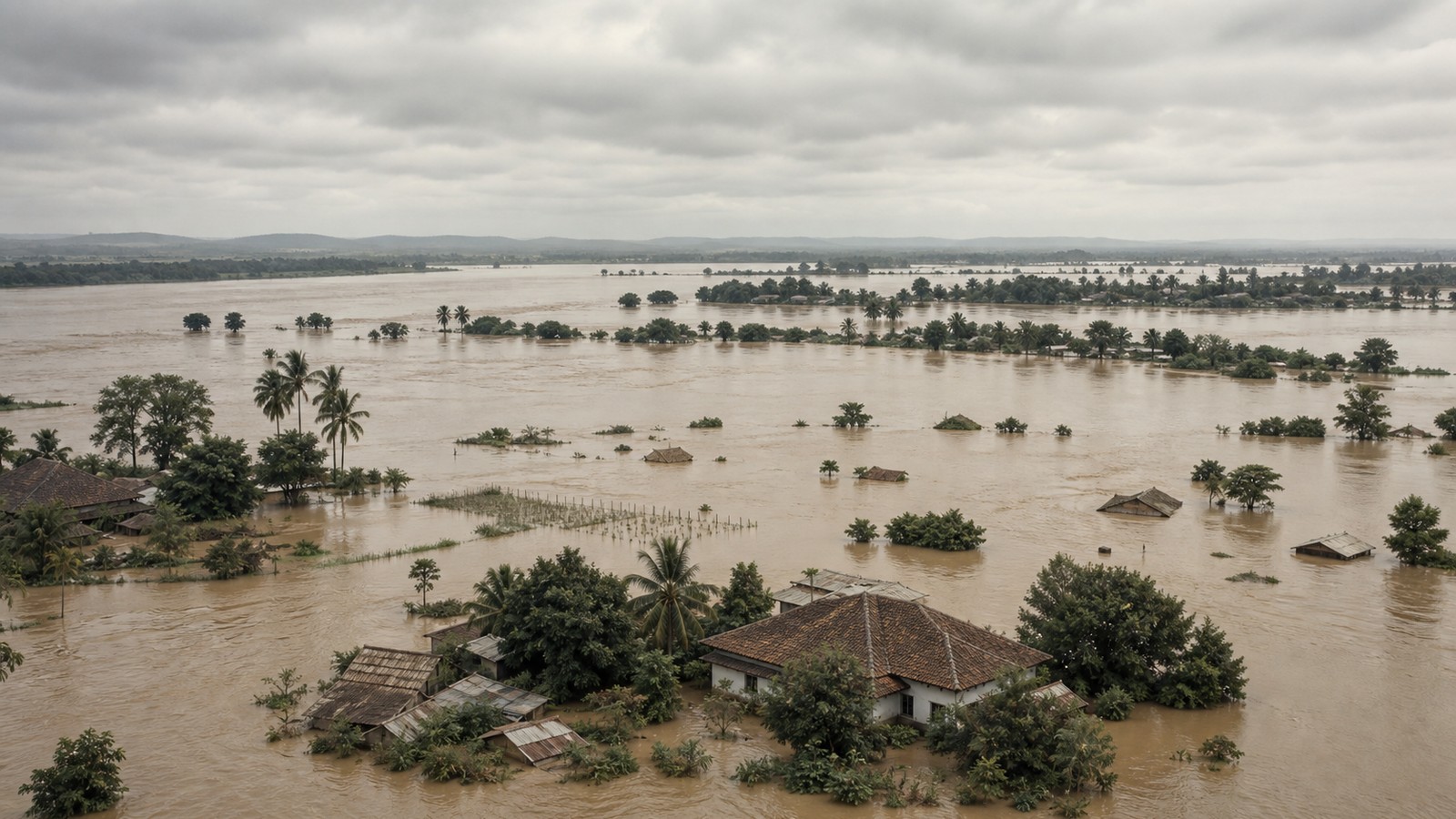
A flash flood is a rapid flood that develops within minutes or a few hours of intense rainfall, sudden runoff, dam failure, ice jam release, or another fast water source. What makes it different from many river floods is the speed between cause and impact. A thunderstorm may be raining hard upstream while the road below is still dry. A canyon wash may look safe until muddy water arrives around a bend. A city underpass may fill faster than drivers understand what is happening. Flash floods are dangerous because they combine water depth, current, debris, poor visibility, and surprise. People often encounter them while driving, hiking, camping, or trying to cross familiar low spots. The water does not need to be deep to be deadly. Moving water can push vehicles, knock people down, undermine pavement, and hide damage beneath the surface.
A: In the right basin, dangerous water can develop within minutes.
A: Yes. Water may arrive from storms upstream.
A: Current, buoyancy, and hidden road damage can take control away quickly.
A: No. They can carry sudden floodwater from distant storms.
A: Flooding is happening or expected soon enough to require action.
A: Yes. Fire-damaged landscapes can shed water and debris rapidly.
A: Not necessarily; moving water can still hide depth and current.
A: No. Conditions can worsen quickly, and vehicle weight differs.
A: Move away from low ground and avoid flooded roads.
A: Only after officials or conditions confirm roads and structures are stable.
Rainfall Rate Is the Main Spark
Flash floods often begin with rainfall intensity. If rain falls faster than soil, vegetation, slopes, channels, or storm drains can absorb or carry it, runoff surges downhill. Short bursts of extreme rain can be more dangerous than longer light rain because the water arrives all at once.
The most dangerous rain may fall upstream from the people affected. A hiker in a canyon, a driver at a low-water crossing, or a camper near a creek may see little rain overhead while floodwater gathers elsewhere. This separation between rain location and flood impact is one reason flash floods catch people off guard.
Radar, rain gauges, and alerts help, but small basins can respond faster than people expect. In steep terrain or urban drainage, a storm can turn into a flood before there is much time to debate.
Terrain Controls Speed
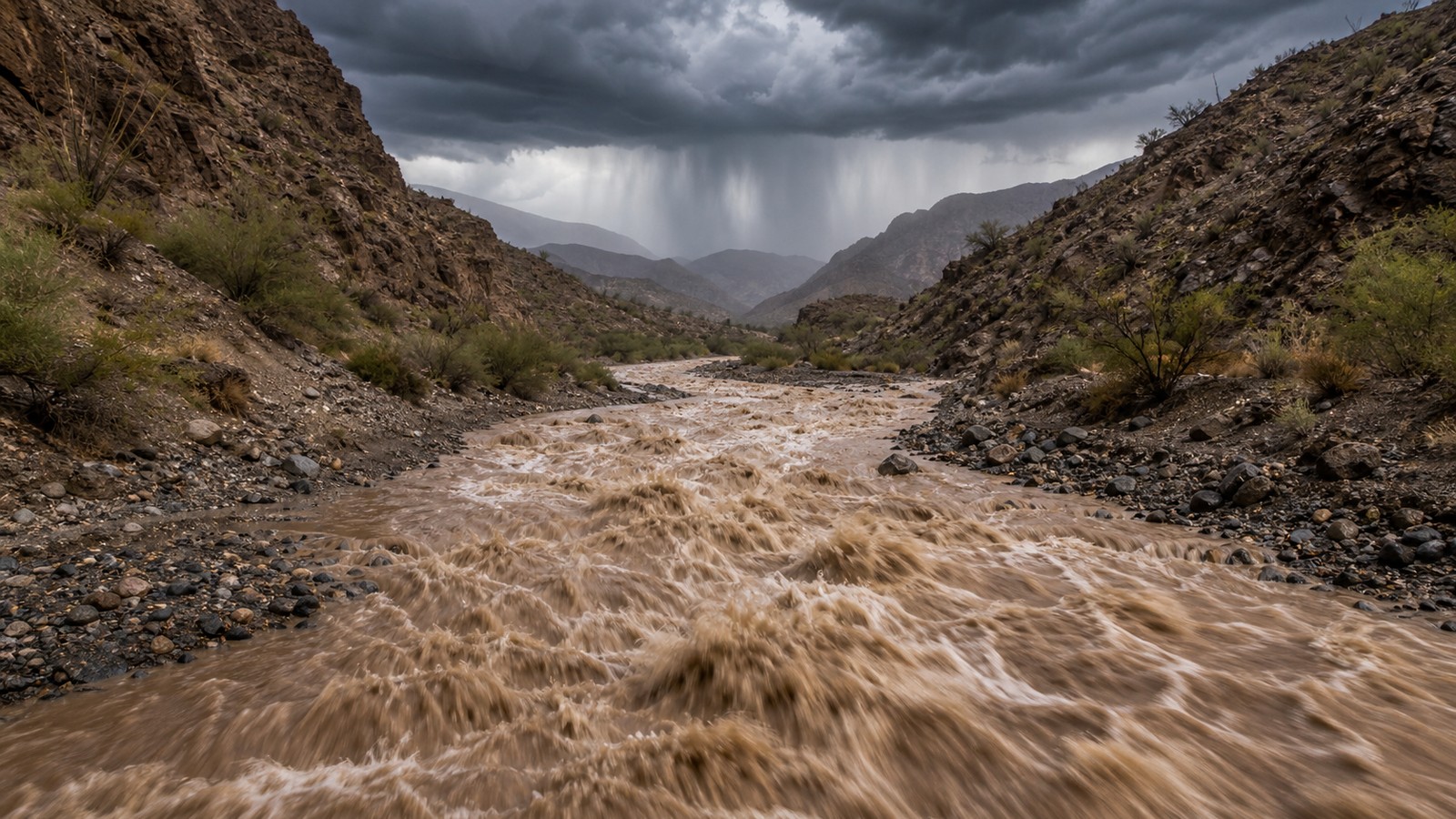
Steep slopes accelerate runoff. Canyons, arroyos, mountain valleys, and small watersheds can collect water rapidly and funnel it into narrow channels. The narrower the channel, the faster water depth can rise. Rock and compacted soil absorb little water, making runoff even faster. Urban terrain creates its own version of steep response. Pavement, roofs, gutters, and storm drains route water into streets and low points. Underpasses, subway entrances, parking lots, and low neighborhoods can flood quickly when drains are overwhelmed.
Flat areas can experience flash flooding too, especially when drainage is poor or rainfall is extreme. The key is not only slope; it is how quickly water concentrates. Any place that gathers runoff faster than it releases it can flash flood.
Dry Ground Can Make Flooding Worse
People often assume dry places absorb rain well, but very dry, crusted, rocky, or burned ground can shed water quickly. Desert washes may be dry most of the year and still carry violent floodwater after a storm. Burn scars are especially vulnerable because fire can change soil properties and remove vegetation that once slowed runoff.
A recent drought can also create false confidence. A creek that has been dry for months can become dangerous quickly if intense rain falls upstream. Familiarity with yesterday’s landscape does not guarantee safety during today’s storm.
Flash-flood risk is therefore about surface response, not only current water level. If the land is primed to shed water, the rise can be sudden.
Debris Makes Water More Destructive
Flash floods often carry mud, rocks, branches, trash, and pieces of damaged structures. That debris increases force and danger. It can block culverts, batter vehicles, clog drains, and turn a shallow flow into a destructive surge. Muddy water also hides what is underneath. Debris flows are a related hazard in steep terrain and burn scars. They can move like wet concrete, carrying rocks and logs with enormous force. A person or vehicle caught in that flow has little chance to escape once it is moving.
This is why floodwater should never be treated as ordinary standing water. It may be moving faster than it appears, carrying hidden objects, or eroding the road below.
Vehicles Are a Major Flash-Flood Trap
Many flash-flood deaths occur in vehicles because drivers underestimate water depth and current. A road that looks covered by a few inches of water may be washed out underneath. Moving water can float or push a vehicle once buoyancy and current overcome tire contact. Larger vehicles are not immune.
Low-water crossings are especially dangerous because they are designed to let water pass over the road at times. They may be familiar in dry weather and deadly during storms. Nighttime makes the risk worse because depth, current, and road damage are harder to see.
The safest driving rule is simple: do not enter flooded roads. Turning around may feel inconvenient, but it preserves options. Driving into water gives control to the current.
Warning Lead Time Can Be Short
Flash-flood warnings sometimes arrive with less lead time than other weather alerts because the hazard develops quickly. Forecasters use radar rainfall estimates, rain gauges, terrain knowledge, reports, and hydrologic models. In small basins, the time between warning signs and impact may still be very short. A flash flood watch means conditions could support rapid flooding. A warning means flooding is happening or expected soon enough to require action. Emergency alerts may emphasize moving to higher ground or avoiding travel. Those instructions should be followed quickly because water can cut off escape routes.
People in canyons, campgrounds, low roads, and flood-prone urban areas should act before water reaches them. Waiting for visible flooding can eliminate the safe route out.
Flash Floods Are Not Always Local Rain Events
Rain upstream can create a flood downstream. Dam or levee failures can release water without local rainfall. Ice jams can break and send water suddenly downriver. Tropical rainbands can train over a watershed while nearby areas experience only intermittent showers. The hazard may arrive from beyond the immediate sky.
This is why weather awareness matters when hiking, camping, boating, or driving through low terrain. A blue patch overhead does not guarantee safety if storms are active nearby. In slot canyons and desert washes, distant rain is enough reason to leave.
A flash flood is a moving water event, not just a local rain event. The water follows gravity and channels, not the boundaries of where people noticed the storm.
How to Stay Safer
The safest response is early avoidance. Do not camp in dry washes when storms are possible. Leave canyons before rain develops upstream. Avoid low-water crossings during heavy rain. Move to higher ground when warnings are issued. Keep children away from drainage channels, culverts, and swollen creeks. If water is already rising, do not try to retrieve gear, move a vehicle, or cross the flow on foot. Seek higher ground and call for help if needed. After water recedes, roads and bridges may still be damaged. Floodwater can contain sewage, chemicals, sharp debris, and electrical hazards.
Flash floods are dangerous because they compress the decision window. The winning move is usually made before the water arrives.
Why Small Basins React So Quickly
Flash floods are common in small watersheds because there is little distance between where rain falls and where water concentrates. A steep hillside, a paved neighborhood, or a narrow canyon can route runoff into a channel before people downstream understand what has changed. The basin does not need a large river to produce dangerous flow.
Soil and surface condition control how much water can soak in before runoff begins. Hard urban surfaces shed water immediately. Burn scars repel water and release ash, mud, and debris. Saturated ground after earlier storms may accept very little new rainfall. Even dry desert ground can produce rapid runoff when rain falls faster than the surface can absorb it.
This fast response is why local knowledge matters. A road dip that usually looks harmless, a campground beside a wash, or a trail below a burned slope can become dangerous under the right rainfall pattern.
Why Night Flash Floods Are Especially Dangerous
Darkness removes many of the clues people use to judge water. Drivers may not see that pavement is missing, hikers may not notice muddy water entering a wash, and residents may underestimate how fast a drainage channel is rising. Rain noise, thunder, and power outages can mask the sound of moving water. Nighttime also slows communication and decision-making. People may be asleep when alerts arrive, visitors may not know local escape routes, and emergency responders may face blocked roads before they can reach the scene. A small delay can matter when the water is moving through a confined channel.
The safest nighttime strategy is conservative. If flash-flood warnings are active, avoid travel through low areas, move away from drainage paths, and treat uncertain water depth as dangerous rather than negotiable, especially on unfamiliar local roads.
After the Surge, Hazards Remain
A flash flood does not become safe the moment the main surge passes. Banks may be unstable, bridges may be undermined, culverts may be blocked, and saturated slopes may fail. Mud can hide holes, metal, broken glass, and displaced animals. Water that looks shallow may still have a current strong enough to sweep a person off balance.
Recovery decisions should be slow and practical. Wait for officials to reopen roads, avoid floodwater, document damage safely, and keep children away from channels that may rise again if more rain develops upstream.
A second round of storms can also restart the hazard before cleanup is finished. Watching the forecast after the first surge is part of staying safe.
Urban Flash Floods Hide in Ordinary Places
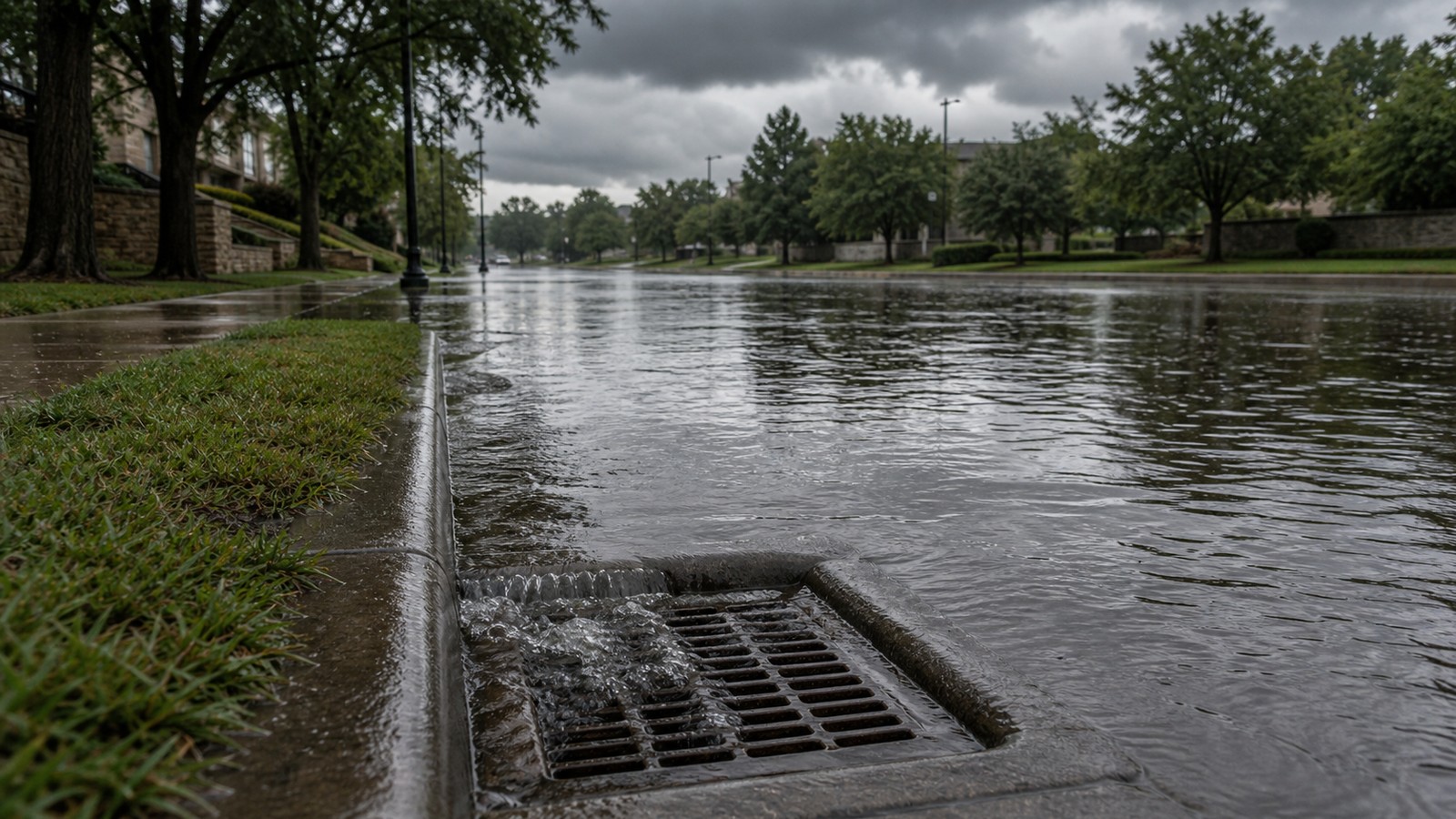
Cities can produce flash floods without a dramatic canyon or mountain slope. Intense rain can overwhelm drains, fill underpasses, back up water through streets, and turn parking lots into shallow basins. The danger may appear first where commuters are least prepared to think about hydrology: a familiar intersection, a ramp, or the dip below a railroad bridge. Urban water also moves through artificial pathways. Curbs, storm sewers, alleys, rooftops, and concrete channels steer runoff quickly. When debris blocks an inlet, water may reroute across lanes or into buildings. A neighborhood that has handled many ordinary storms can still flood when rainfall rate exceeds the drainage system’s design.
That is why urban flash-flood safety depends on habits, not scenery. Avoid underpasses during heavy rain, never drive around barricades, and remember that a road you know well can fail in a storm you have not seen before.
Burn Scars Can Change a Watershed Overnight
Wildfire can make flash flooding more likely by removing vegetation and changing soil behavior. In some burned areas, rain that once soaked into the ground runs off quickly, carrying ash, sediment, rocks, and tree debris. The resulting flow may behave more like a fast muddy slurry than clean water.
The risk is often highest during the first storms after a fire, when channels have not adjusted and loose material is still available. Communities below steep burned slopes may need special warnings even for rainfall that would have been manageable before the fire.
Burn-scar flooding shows how one hazard can prepare the ground for another. The sky may deliver the rain, but the land surface decides how violently the water responds. A modest storm in the wrong burned basin can act like an extreme event with little warning.