The Deadliest Floods Are Human Disasters, Not Only Water Events
The deadliest floods in world history are difficult to rank because death tolls are often uncertain, historical records vary, and flood disasters can include famine, disease, displacement, and infrastructure collapse long after the water first rises. Still, the broad pattern is clear: the worst floods occur when extreme water meets large exposed populations with limited protection, warning, evacuation, food security, medical care, or recovery capacity. River basins in China, South Asia, Europe, and other regions have produced catastrophic floods for centuries. Storm surge has devastated low-lying coasts. Dam and levee failures have turned engineering systems into sudden hazards. The deadliest floods are not simply the largest volumes of water. They are events where hydrology, governance, poverty, land use, weather, and timing combine in ways that overwhelm society.
A: The 1931 China floods are widely cited among the deadliest recorded flood disasters.
A: Sources count immediate and indirect deaths differently, especially in older events.
A: Yes. It is coastal flooding driven by storm winds and pressure.
A: They are low, densely settled, and exposed to river and coastal flooding.
A: No. They reduce some flooding but can fail or be overtopped.
A: Floods can contaminate water, damage sanitation, and displace people.
A: Yes, especially where exposure, poverty, or warning gaps remain.
A: Water can be released suddenly with little downstream reaction time.
A: They reveal how water, vulnerability, infrastructure, and recovery interact.
A: Flood safety depends on reducing exposure before water arrives.
Why Historical Flood Death Tolls Vary
Flood death tolls can include immediate drowning, injuries, disease, famine, exposure, and indirect deaths after crops, homes, and clean water are lost. Historical records may not separate those categories cleanly. Some events occurred before modern disaster reporting, and estimates can vary widely between sources. Large flood disasters also unfold across huge areas. Counting deaths in remote villages, displaced camps, or famine-affected regions is difficult. Political instability and war can further distort records. For this reason, responsible histories often use ranges or cautious language rather than pretending every number is exact.
Uncertainty does not reduce the importance of these events. It reminds us that flood disasters are social as well as physical. The water starts the crisis, but exposure and recovery conditions determine how deadly it becomes.
The 1931 China Floods Stand Apart
The 1931 floods in China are widely cited among the deadliest natural disasters in recorded history. Heavy snowmelt, exceptional rainfall, river flooding, levee problems, and the vulnerability of densely populated river basins contributed to a catastrophe across parts of the Yangtze, Huai, and Yellow River systems. Estimates vary, but the human toll was enormous.
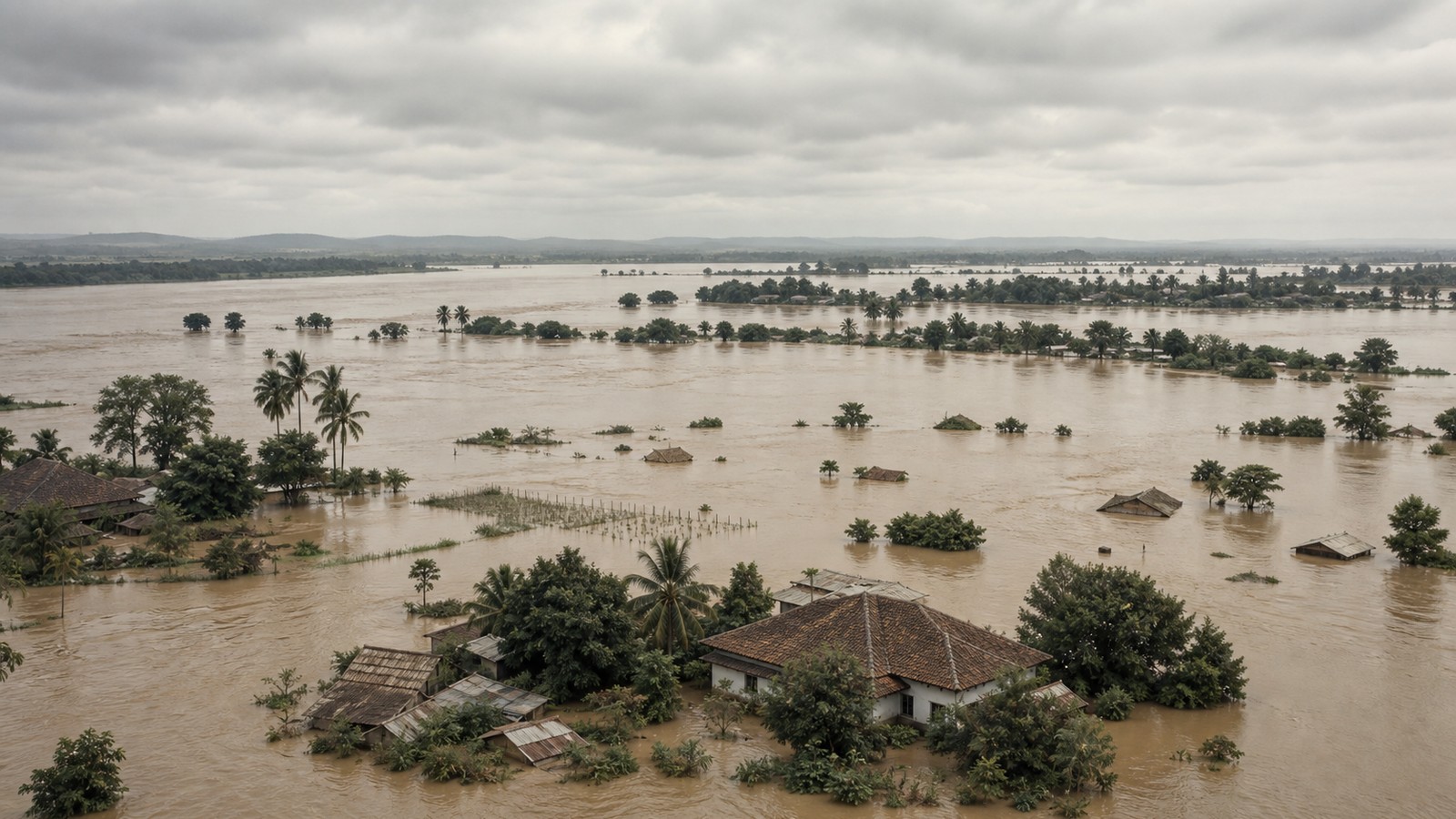
The disaster was not a single flash flood. It was a prolonged regional crisis involving inundation, crop loss, famine, disease, and displacement. That is why it appears at the top of many deadliest-flood lists. The event shows how river systems can become humanitarian disasters when water persists across agricultural and population centers.
The 1931 floods also show why flood management is more than levees. Forecasting, land use, public health, food storage, evacuation, and governance all matter. A flood that covers a breadbasket can become a disaster long after the peak river stage passes.
Yellow River Floods Reveal the Risk of Sediment and Levees
China’s Yellow River has a long history of catastrophic flooding because heavy sediment loads can raise the riverbed and increase dependence on levees. When levees fail or are overtopped, water can spread across densely populated plains. Historical Yellow River floods have produced enormous death tolls and social disruption. Some disasters were natural in origin, while others were worsened or triggered by human decisions, including wartime levee destruction. This makes the Yellow River history especially complex. It is a reminder that flood risk can be engineered upward when rivers are constrained and communities settle behind defenses that may fail.
Sediment, channel change, and levee dependence remain important flood-management lessons. A river is not static infrastructure. It carries water, silt, and energy, and it will eventually test every system built to contain it.
Storm Surge Can Be as Deadly as River Flooding
Some of the world’s deadliest floods have come from tropical cyclones pushing seawater into low-lying coastal regions. The 1970 Bhola cyclone in what is now Bangladesh is one of the most devastating examples. Storm surge, vulnerable coastal settlements, and limited warning and evacuation capacity combined into a catastrophe.
Storm surge is dangerous because it can arrive with wind, waves, darkness, debris, and blocked escape routes. It can move inland through bays, estuaries, and river mouths. In low deltas, even modest elevation differences can decide who survives.
Modern warning systems, shelters, evacuation planning, and communication have reduced deaths in some cyclone-prone regions, but surge remains one of the most serious flood hazards on Earth. The deadliest flood histories often occur where river and coastal vulnerabilities overlap.
Dam and Levee Failures Create Sudden Catastrophes
Floods can also become deadly when water-control structures fail. Dam failures, levee breaches, and reservoir overtopping can release water faster than downstream communities can respond. Unlike many river floods that build over time, structural failures may create a sudden wall of water or rapidly rising flow. The 1975 Banqiao Dam disaster in China is often cited among the deadliest dam-related flood disasters. Extreme rainfall associated with a tropical system, reservoir stress, and cascading failures contributed to catastrophic downstream flooding. As with many historical disasters, death toll estimates vary and include indirect impacts.
These events show that flood infrastructure reduces risk only when it is designed, maintained, operated, and communicated well. Engineering can protect communities, but it can also concentrate danger if failure is not planned for.
Monsoon Floods Can Become Regional Crises
Monsoon climates bring seasonal rainfall that supports agriculture and water supply, but extreme monsoon years can create widespread flooding. Large river basins may receive rain across many tributaries, while saturated soil and full reservoirs reduce storage. When embankments fail or drainage is blocked, water can remain for weeks.
South Asia has experienced many devastating floods because dense populations live near rivers and deltas. Flood impacts may include displacement, disease outbreaks, crop loss, school closures, and long recovery periods. A flood’s death toll may continue to grow after the water stops rising if sanitation, food, and medical systems fail.
Monsoon flood risk is not simply a matter of too much rain. It is shaped by river management, settlement patterns, poverty, warning access, and the ability to move people and supplies before roads disappear.
Why Modern Floods Can Still Be Deadly
Modern technology has improved forecasting, satellites, radar, river gauges, and emergency communication. Yet floods still kill because warnings do not automatically create safe outcomes. People may lack transportation, receive alerts too late, distrust evacuation orders, or live in places with few safe options. Urban growth adds new risk. More pavement increases runoff. Informal settlements may occupy drainage channels or unstable slopes. Coastal development increases surge exposure. Climate change can intensify heavy rainfall and sea-level stress. The ingredients of historic disasters are not gone; they have changed form.
The most important lesson from deadly floods is that hazard knowledge must become action before the water rises. Forecasts, shelters, drainage, zoning, public health, and recovery planning are all part of flood survival.
What Deadly Floods Teach Today
The deadliest floods teach humility. Water can overwhelm wealthy cities and rural villages alike, but vulnerability decides the scale of tragedy. The same rainfall can be an inconvenience in one place and a catastrophe in another. Preparedness must be local, practical, and honest about who has the fewest options.
They also teach that flood recovery is part of flood risk. Clean water, disease prevention, food security, housing, and transportation matter after the crest. A narrow focus on the peak flood height misses the prolonged human emergency that often follows.
Studying deadly floods should not be an exercise in disaster spectacle. It should sharpen the question every community faces: where will water go, who is in its path, and what systems are ready before the next extreme event arrives?
How Records Can Hide Unequal Loss
A single death toll can make a flood seem like one event, but the losses inside that number are rarely even. People living on low ground, in informal housing, near unstable slopes, or far from reliable warnings often face the earliest and worst danger. Children, older adults, people with disabilities, and people without transportation may have fewer ways to leave before roads fail. Historical flood records also reflect the priorities and capacity of the societies that recorded them. Some deaths were counted carefully; others were estimated after entire villages were displaced. In older events, deaths from hunger and disease may be grouped with direct drowning, or they may be omitted depending on the source. That makes comparison difficult but does not make the suffering less real.
This is why deadly-flood history should be read with care. The numbers are important, but the deeper lesson is about who had protection, who had warning, and who was left with the least margin when water rose.
Why Prevention Is Usually Less Visible Than Disaster
The floods that do not become famous can be the clearest evidence of success. A levee setback, improved forecast, evacuation route, wetland restoration, building elevation, or dam operation may prevent a headline by giving water somewhere safer to go. Because the disaster does not happen, the protective work can be easy to overlook.
This invisibility creates a political challenge. Communities often invest after a tragedy, when memory is fresh and damage is obvious. The safer pattern is to invest before the next extreme season, while maps, maintenance schedules, shelters, and public messages can still be improved without the pressure of rising water.
Deadly flood history is therefore not only a catalog of past failures. It is a case for quiet, practical prevention that may never be dramatic enough to be remembered.
The Role of Food, Disease, and Displacement
Many historic flood disasters became deadlier after the water first spread. Crops were destroyed, stored grain was ruined, wells were contaminated, and roads or boats could not move supplies quickly enough. In a society already under stress, a flood could turn a weather disaster into famine. Disease also shaped death tolls. Standing water, crowded shelters, damaged sanitation, and limited medical care can allow illness to spread after the immediate drowning danger declines. These indirect losses are one reason old flood estimates can vary so widely: historians and officials may disagree about which deaths belong to the flood.
Displacement adds another layer. People forced from homes may lose income, documents, livestock, tools, and community support at the same time. The deadliest floods are remembered for water, but their full impact often comes from the systems that fail around that water.
Why Some Floodplains Stay Populated
It can seem irrational that people keep living on dangerous floodplains, but the reasons are often practical. Floodplains have fertile soil, flat land, transportation access, river trade, fishing, and water for farms and cities. For centuries, those advantages outweighed the memory of rare disasters.
In modern cities, the same pattern continues in different form. Low-lying land may be cheaper, historically marginalized communities may have fewer housing choices, and valuable waterfront development can create pressure to build where water naturally wants to spread. Risk is not distributed only by geography; it is distributed by power and money.
Understanding that helps explain why deadly floods are not solved by telling people to move. Safer outcomes require realistic housing, land-use policy, infrastructure, warning systems, and support for people whose choices are constrained. The hardest flood decisions often involve balancing everyday survival against rare but enormous danger, especially where safer land is scarce and unaffordable.