Blizzard Power Is Measured in More Than Snow
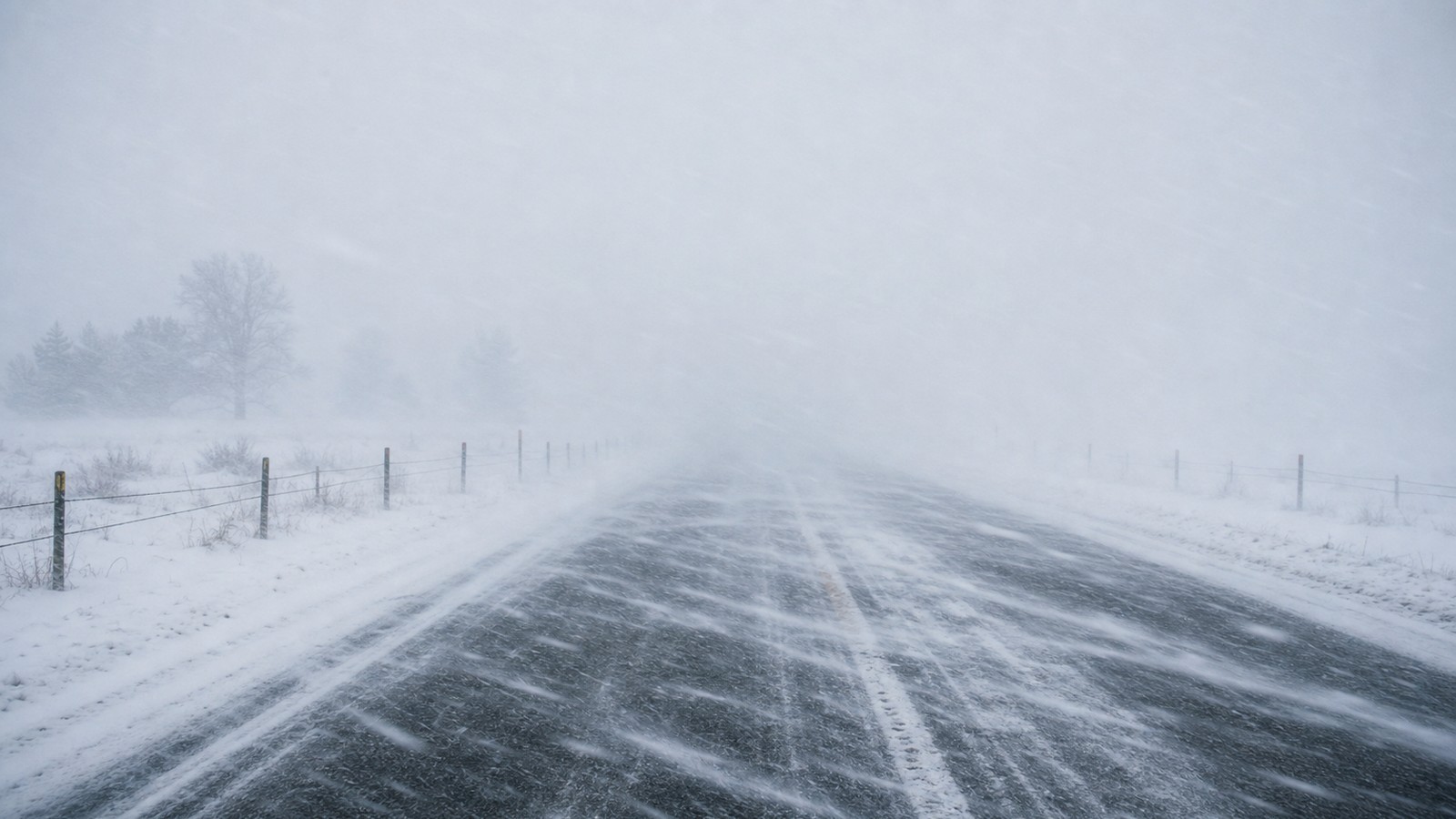
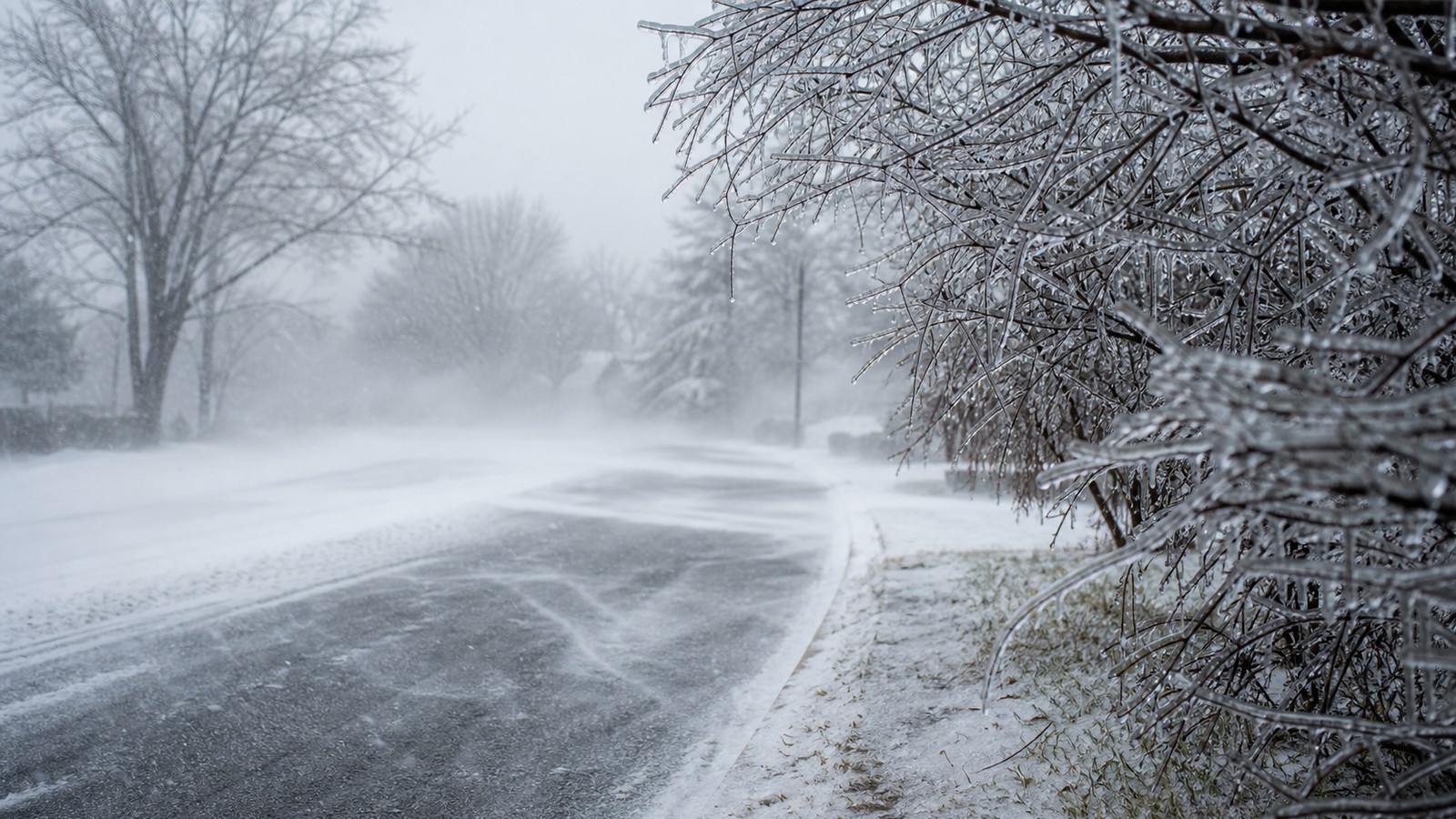
The most powerful blizzards ever recorded are not always the storms with the highest snowfall total. Blizzard power comes from the combination of snow, wind, visibility, duration, cold, storm size, and exposure. A storm that drops deep snow in calm air may be disruptive, but a blizzard turns snow into a moving hazard. Wind lifts it, drives it across roads, packs it into drifts, and hides the world from people trying to move through it. Historic blizzards are remembered because they overwhelmed transportation, communication, power, livestock, cities, and rural communities at the same time.
A: The combination of wind, visibility loss, snow supply, duration, cold, and exposure.
A: No. Wind, drifting, and visibility can make a lower-snow storm more dangerous.
A: Open terrain lets wind move snow into deep drifts and whiteouts.
A: They can combine heavy snow, strong wind, dense population, and coastal impacts.
A: Often yes. Older storms had fewer observations and slower communication.
A: Yes. Forecasts help, but exposure, travel, and infrastructure failures remain dangerous.
A: Drifts can bury roads and buildings far deeper than the measured snowfall.
A: No, but cold and wind chill make exposure much more dangerous.
A: Different storms are extreme in different ways, so one metric is not enough.
A: Use warning lead time to avoid travel before visibility collapses.
Why Ranking Blizzards Is Difficult
There is no single universal scoreboard for blizzards. One storm may be famous for snowfall, another for wind, another for bitter cold, and another for the number of people stranded. Historical records also vary because older storms were observed with fewer instruments and less consistent reporting. A measured snowfall at one station may not capture the worst drifts or the most dangerous whiteout. Impacts depend on where the storm occurred. A blizzard over open plains can paralyze highways and endanger livestock. A coastal blizzard can combine heavy snow, strong wind, flooding, and dense population. A mountain blizzard can close passes and isolate communities. Comparing these storms is partly meteorology and partly history.
The fairest way to understand powerful blizzards is to look at the ingredients together: how much snow was available, how strong the wind became, how long visibility stayed low, how cold it was, and how many people or systems were exposed.
The Great Blizzard of 1888 Set an Eastern Benchmark
The Great Blizzard of 1888 remains one of the most famous winter storms in United States history because it struck the densely populated Northeast with heavy snow, fierce wind, huge drifts, and long disruption. Cities that depended on above-ground transportation and communication were suddenly vulnerable. Rail lines stopped, telegraph wires failed, streets filled, and daily life slowed dramatically.
Its power was not only the snowfall amount. The storm exposed how fragile urban systems could be when snow and wind attacked at once. Drifts became deeper than ordinary snow depth, and people could not move safely through streets that had lost their normal shape. The event influenced later decisions about underground utilities and transit planning.
The storm is remembered because it changed expectations. It showed that a blizzard could be more than a rural travel problem; it could become an urban infrastructure crisis.
The Schoolhouse Blizzard Showed the Danger of Sudden Change
The 1888 Schoolhouse Blizzard on the Plains is remembered for its sudden arrival and severe human toll. The weather changed rapidly after a relatively mild start, catching people away from secure shelter. Children, teachers, farmers, and travelers faced a fast-moving wall of cold, wind, and snow across open country. This storm illustrates a different kind of blizzard power: surprise. A blizzard does not need a modern city to become catastrophic. In open terrain, the loss of visibility and the arrival of dangerous cold can make short distances impossible. People who know the landscape may still become disoriented when the horizon disappears.
The lesson is still relevant. Forecasts are better now, but sudden changes in wind, temperature, and visibility can still trap people who wait too long to change plans.
The White Hurricane of 1913 Was a Great Lakes Disaster
The 1913 Great Lakes storm, often called the White Hurricane, became infamous because extreme wind, snow, waves, and cold struck shipping routes across the lakes. It was not simply a land blizzard. It was a regional storm where marine and winter hazards reinforced each other, creating deadly conditions for vessels and lakeshore communities.
Powerful blizzards near large lakes can behave differently from inland storms. Moisture from open water can feed heavy snow, while strong pressure differences drive waves and wind. Visibility can vanish over both land and water, and rescue becomes difficult when the environment itself blocks access.
The White Hurricane shows why blizzard history cannot be limited to snow depth. Wind over water, ship exposure, communication limits, and the size of the storm all mattered.
Plain States Blizzards Can Create Enormous Drifts
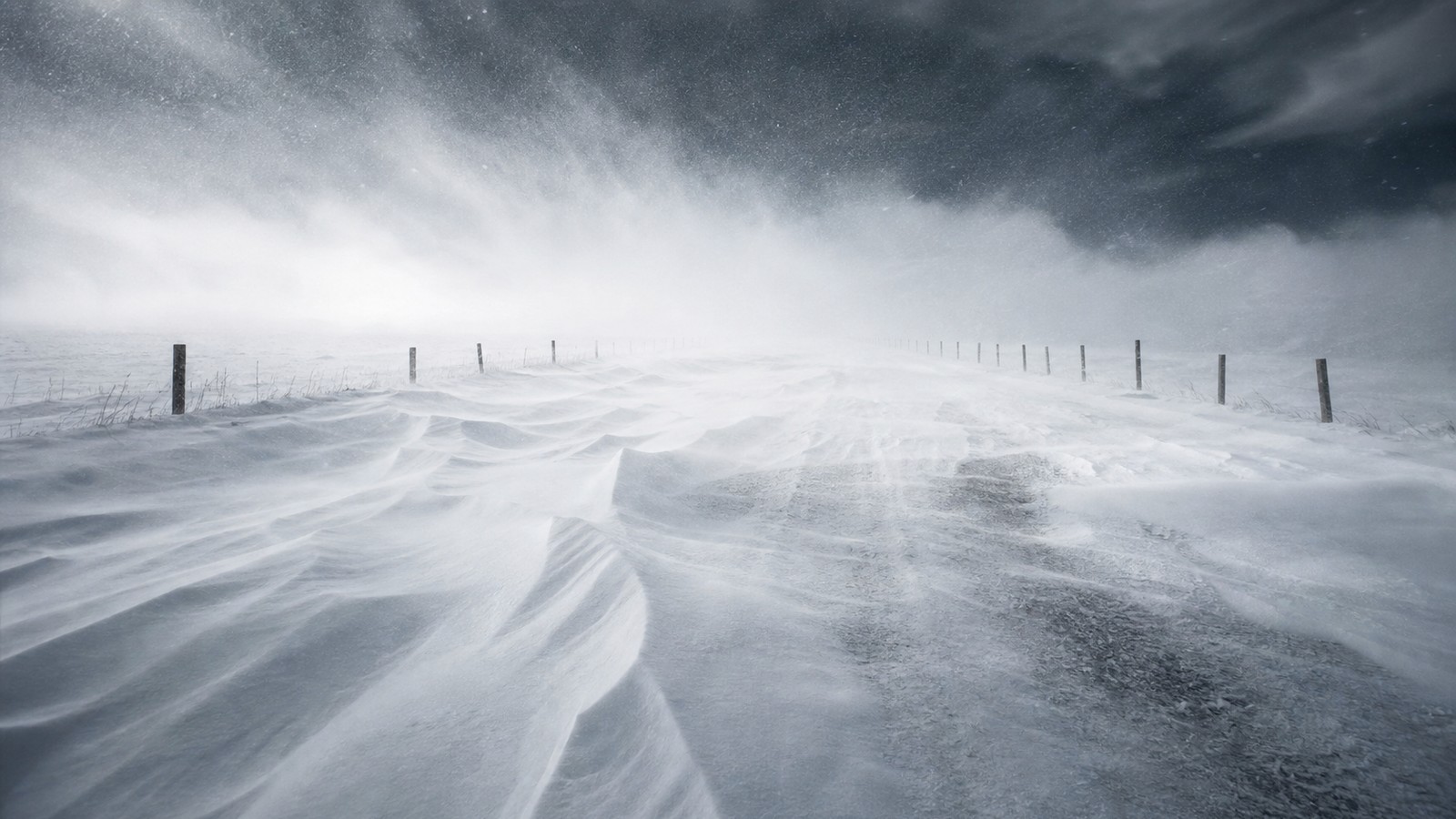
The Plains are built for blizzard drama because open terrain allows wind to move snow over long distances. Fences, road cuts, buildings, and shelterbelts become collection points where drifts grow far deeper than the measured snowfall. A storm that drops a manageable amount of snow can still bury roads if wind keeps transporting it. These blizzards threaten rural life in specific ways. Livestock may be unable to reach feed or shelter. Roads between towns may close for long stretches. Power crews and emergency responders may have to wait until visibility improves before reaching isolated locations. The storm continues to cause problems as long as snow remains available for blowing.
Drifting is why blizzard power should not be judged by the ruler in an open yard. The wind decides where the snow finally lands.
Coastal Blizzards Combine Snow With Ocean Energy
Coastal blizzards, especially strong nor’easters, can be powerful because they combine moisture, wind, heavy precipitation, and dense development. If cold air stays in place, Atlantic moisture can support intense snowfall while the pressure gradient produces damaging wind. Near the coast, flooding and erosion may occur while inland areas fight snow and whiteout travel.
The size of a coastal blizzard matters. A broad storm can affect several major cities, airports, rail corridors, ports, and power networks at once. Even if each location has winter equipment, simultaneous disruption across a region can slow recovery. Flights cancel, roads close, transit stalls, and crews compete with continuing wind.
These storms become famous because they hit many systems at the same time. Their power is partly atmospheric and partly logistical.
Temperature Can Make a Blizzard More Dangerous
Cold does not define a blizzard by itself, but it changes the stakes. Strong wind strips heat from exposed skin and turns a travel delay into a survival problem. A stranded driver, a person walking for help, or a worker outside can become vulnerable quickly when wind chill falls to dangerous levels. Very cold snow also behaves differently. Dry powder is easier for wind to lift and move, which can sustain blowing snow and drifting after the main precipitation weakens. Wet snow may stick and add weight, but powdery snow can keep visibility low over open areas for hours.
The most powerful blizzards often pair low visibility with exposure danger. People are not only slowed down; they are put in conditions where time outside becomes a threat.
Duration Turns Severe Conditions Into Isolation
A brief whiteout can cause crashes and closures, but a long blizzard can isolate entire communities. Roads drift shut again after plows pass, flights remain grounded, and supply chains pause. If the storm lasts through night and into another day, fatigue becomes part of the hazard for responders, utility crews, hospital staff, and families managing heat or livestock.
Duration also changes recovery. The longer wind persists, the more snow is moved into hard drifts and the more vehicles may be abandoned in dangerous places. Crews may need to clear the same routes repeatedly. A community may be physically intact but inaccessible.
This is why some blizzards are remembered less for a single peak measurement than for how long they held a region still.
Modern Forecasting Reduces Surprise But Not Impact
Modern radar, satellites, computer models, and warning systems have reduced the chance that a major blizzard arrives completely unannounced. People often know days ahead that a strong winter storm is possible. That lead time can save lives when it is used to cancel travel, stage crews, protect livestock, and prepare for outages. Forecasting does not remove exposure. People may still travel for work, medical needs, family obligations, or because they underestimate the storm. Infrastructure can still fail when wind, snow, and cold exceed practical limits. A good forecast is only the beginning of risk reduction.
Powerful blizzards therefore remain dangerous in the modern era. Better warnings help, but they do not make whiteout roads, stranded vehicles, or prolonged outages harmless.
Observation Networks Shape The Record Book
Modern blizzards are documented by dense weather stations, radar, satellites, road cameras, snow reports, and emergency logs. Older storms were recorded through newspapers, diaries, ship reports, rail accounts, and scattered instruments. That difference affects how confidently people can compare events across centuries.
Wind is especially difficult to reconstruct when instruments failed or were absent. Snowfall is also complicated because wind scours some places bare and piles other places into huge drifts. A person standing beside a drift may remember a storm differently than an observer measuring snow in a sheltered location.
The record book is therefore partly a record of observation. Some of the most powerful blizzards may be well known because they hit places with many witnesses, while other severe storms left fewer measurements behind.
Economic Disruption Is Part Of Blizzard Power
A blizzard’s power can be measured in the systems it stops. Railroads, highways, airports, ports, farms, warehouses, schools, hospitals, and power crews all depend on movement. When visibility and drifting stop movement across a large area, the storm becomes an economic and logistical event as well as a weather event. That disruption can spread beyond the snow zone. Delayed flights ripple through distant airports, freight pauses affect shelves and factories, and livestock or dairy operations may face losses if feed, fuel, or transport are interrupted. A blizzard can make a region feel cut off even when buildings remain standing.
This is why modern blizzards can be historically important without setting every meteorological record. If the storm strikes at the wrong time or across the wrong corridor, its practical power can be enormous.
Recovery Reveals The True Scale
The end of a blizzard warning does not mean the end of the event. Roads may need to be cleared repeatedly, power crews may wait for safe access, and stranded vehicles can block plows. Deep drifts can harden, making removal slower than ordinary snow cleanup.
Rural recovery often depends on reaching isolated homes, farms, and livestock. Urban recovery depends on clearing transit routes, sidewalks, emergency lanes, and airport operations. Coastal recovery may add flooding, erosion, or damaged utilities to the snow problem.
The most powerful blizzards are often remembered by how long normal life took to return. The storm’s peak may last hours, but the recovery can define the story for days.
What Historic Blizzards Teach
Historic blizzards teach that the worst winter storms are compound events. Snowfall matters, but wind controls visibility and drifting. Temperature controls exposure danger. Storm size controls how many systems are affected. Timing controls how many people are on the road when conditions collapse. They also teach humility. A region that handles ordinary snow well can still struggle when the wind turns snow into a moving obstacle. Rural areas, ports, cities, farms, rail lines, and highways each have different weak points, and the same blizzard can find several at once.
The most useful lesson is practical rather than dramatic: take blizzard warnings seriously before conditions peak. The safest decisions are usually made while roads are still visible and shelter is still easy to reach.