The Most Powerful Blizzards Ever Recorded
The most powerful blizzards are remembered for more than snow totals. Wind, duration, temperature, storm size, drifting, and human exposure all shape their impact.

Where Every Cloud Tells a Story
The most powerful blizzards are remembered for more than snow totals. Wind, duration, temperature, storm size, drifting, and human exposure all shape their impact.
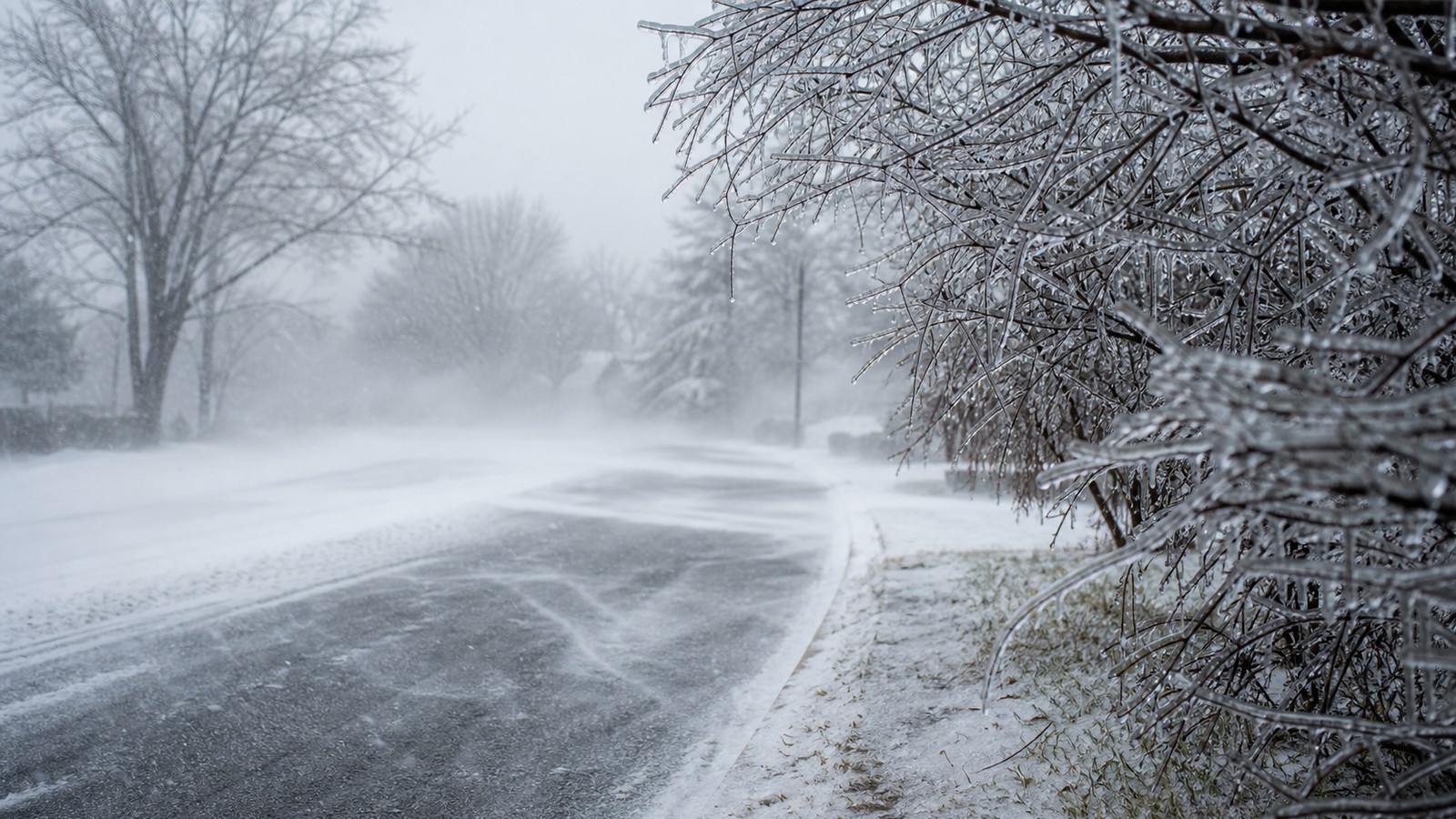
Blizzards, snowstorms, and ice storms all create winter danger, but they are defined by different hazards: wind, snowfall, freezing rain, visibility, and ice buildup.
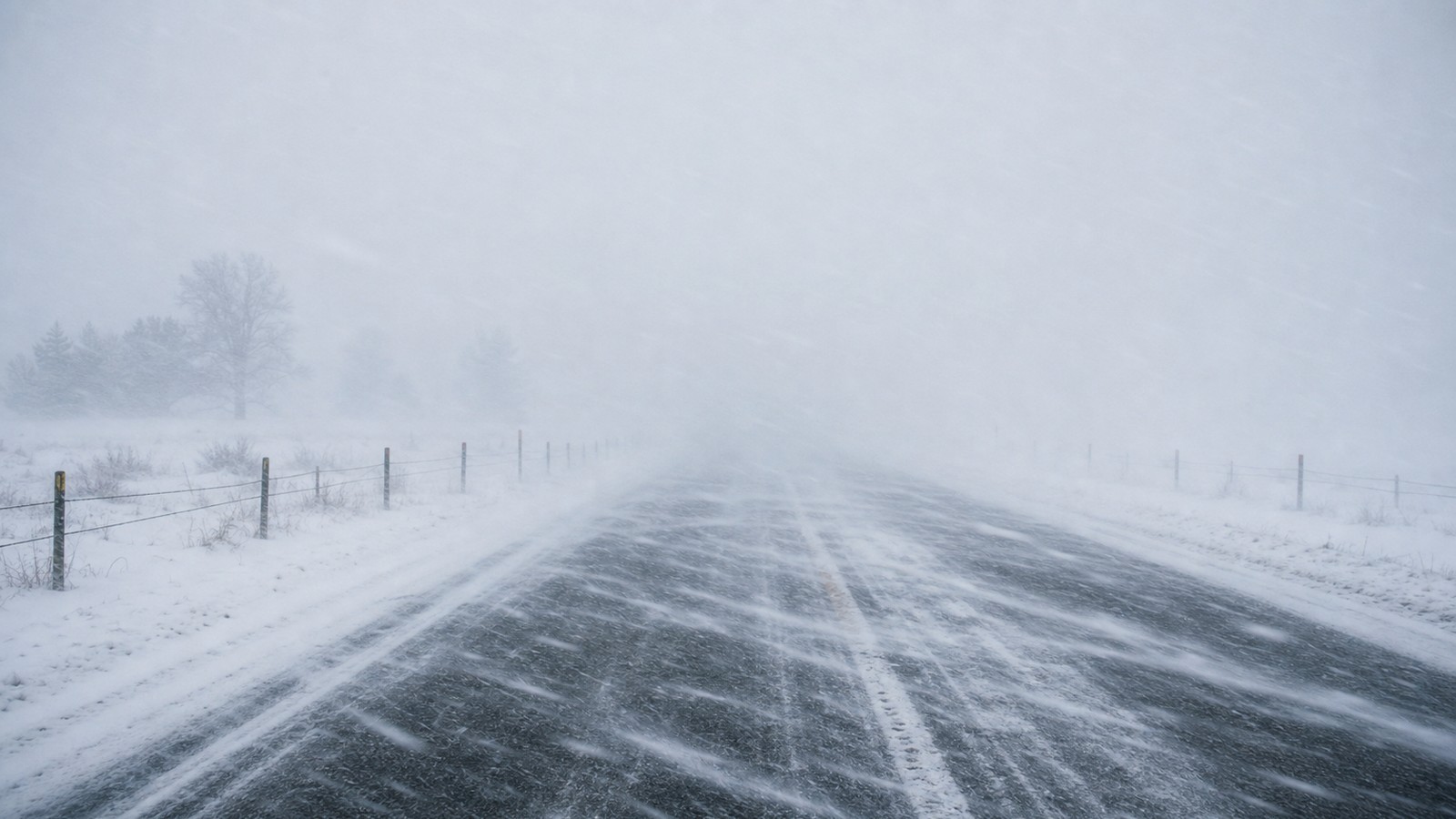
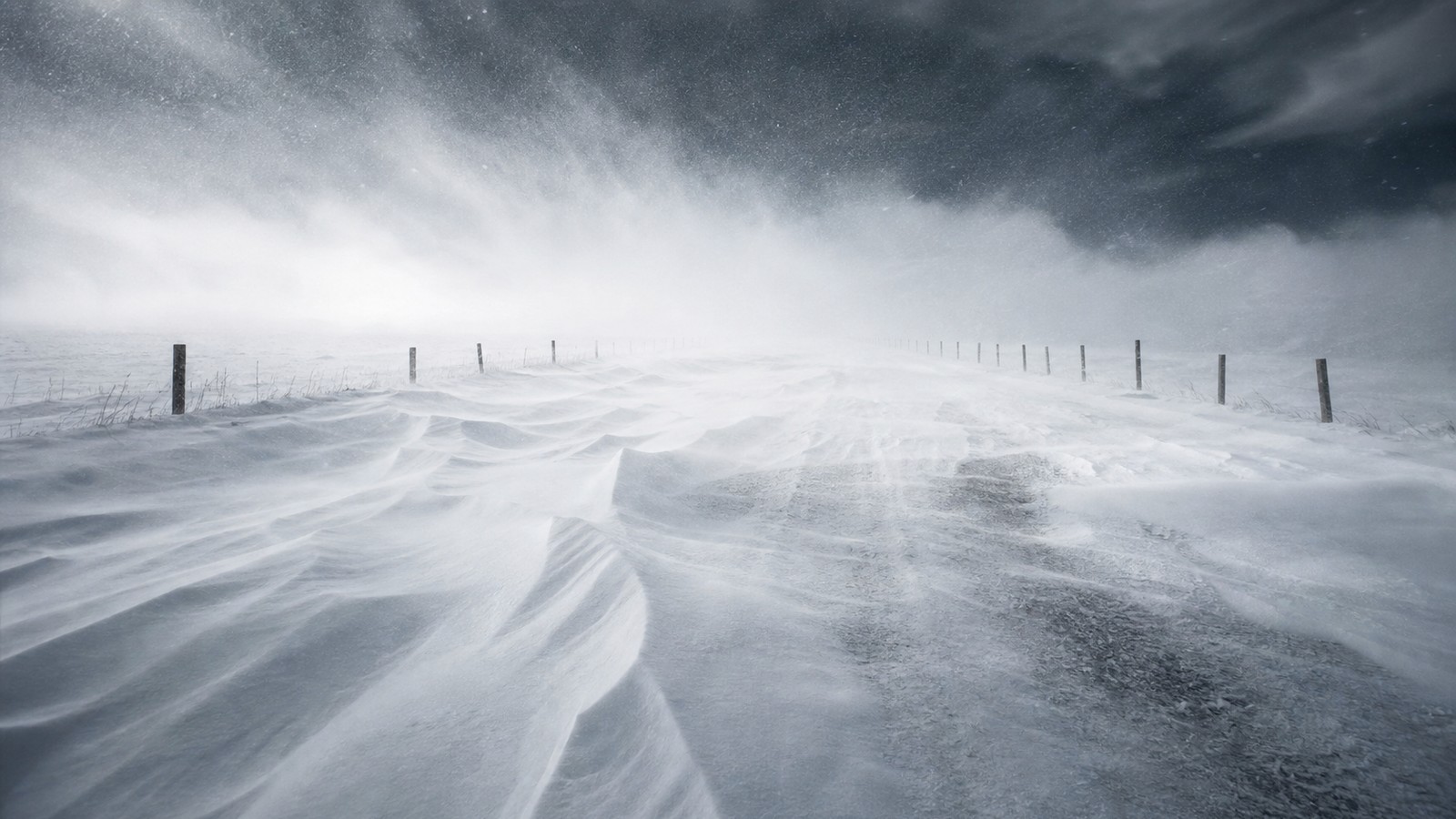
A blizzard is defined by strong wind, snow or blowing snow, very low visibility, and duration. Learn how pressure systems and cold air create whiteout storms.
The deadliest floods in world history show how rainfall, rivers, storm surge, famine, disease, infrastructure, and vulnerability can combine into catastrophe.
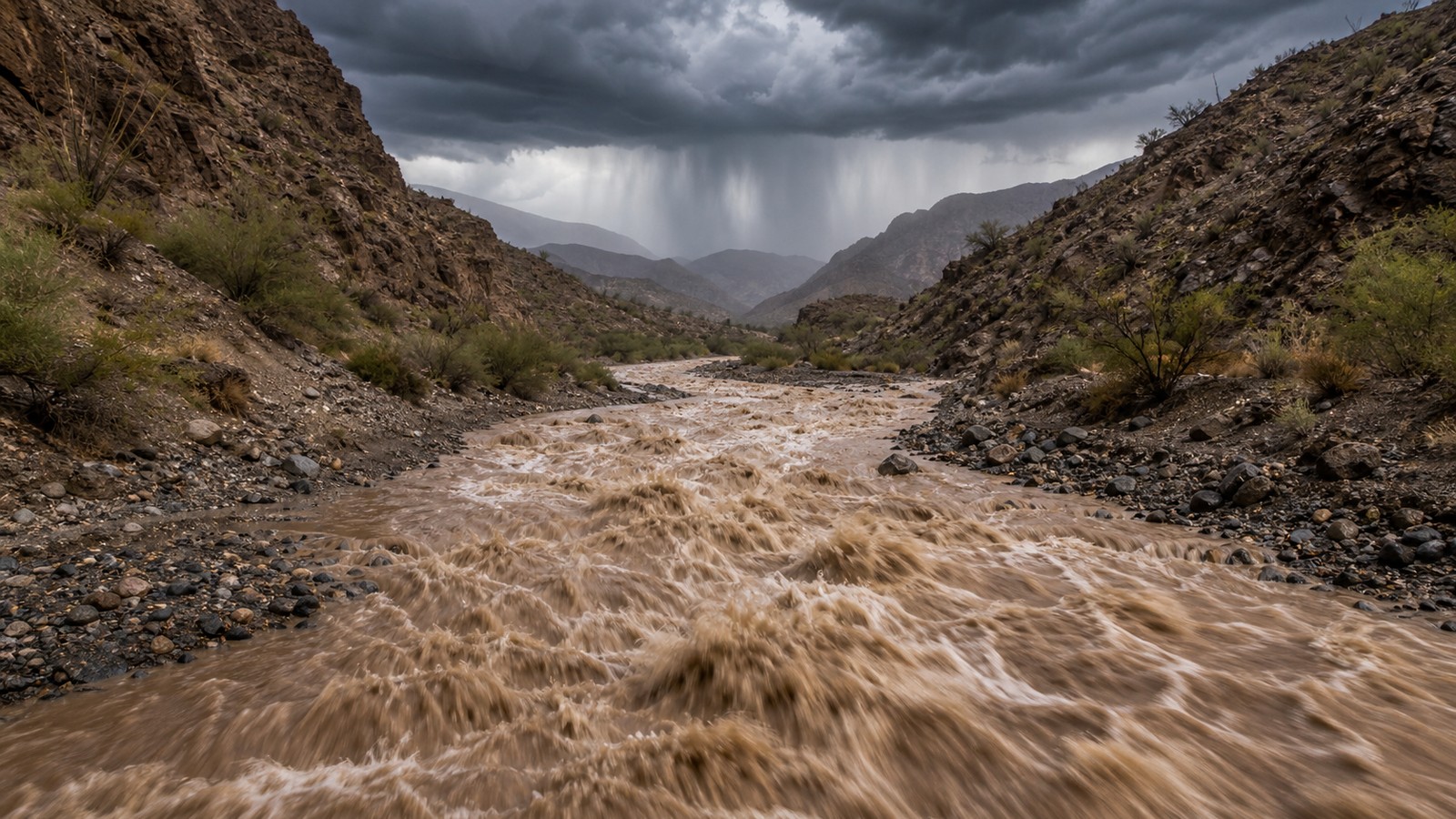
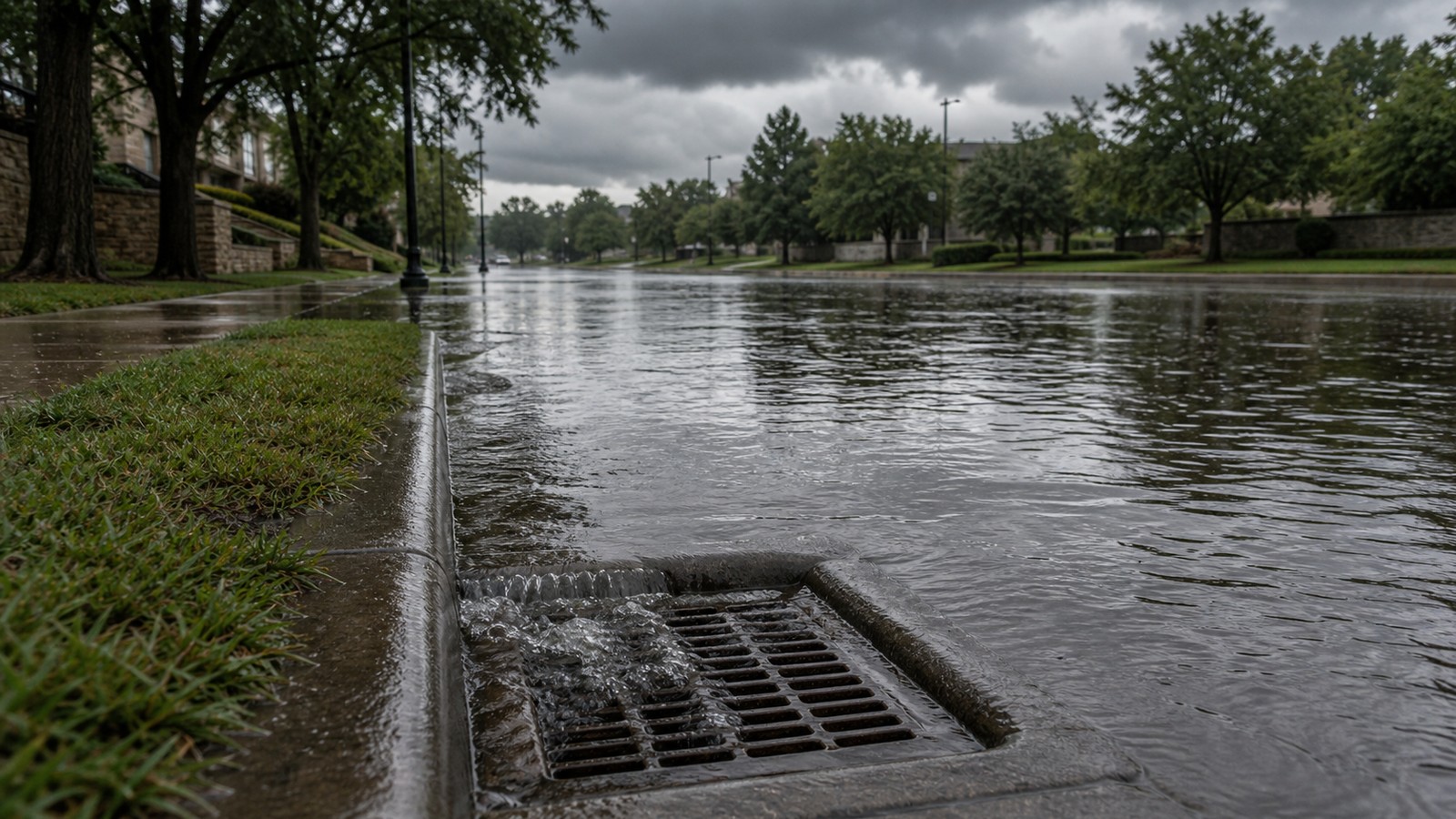
Flash floods form when intense rain or sudden water release sends runoff into channels faster than people can react. Speed, depth, debris, and surprise make them deadly.
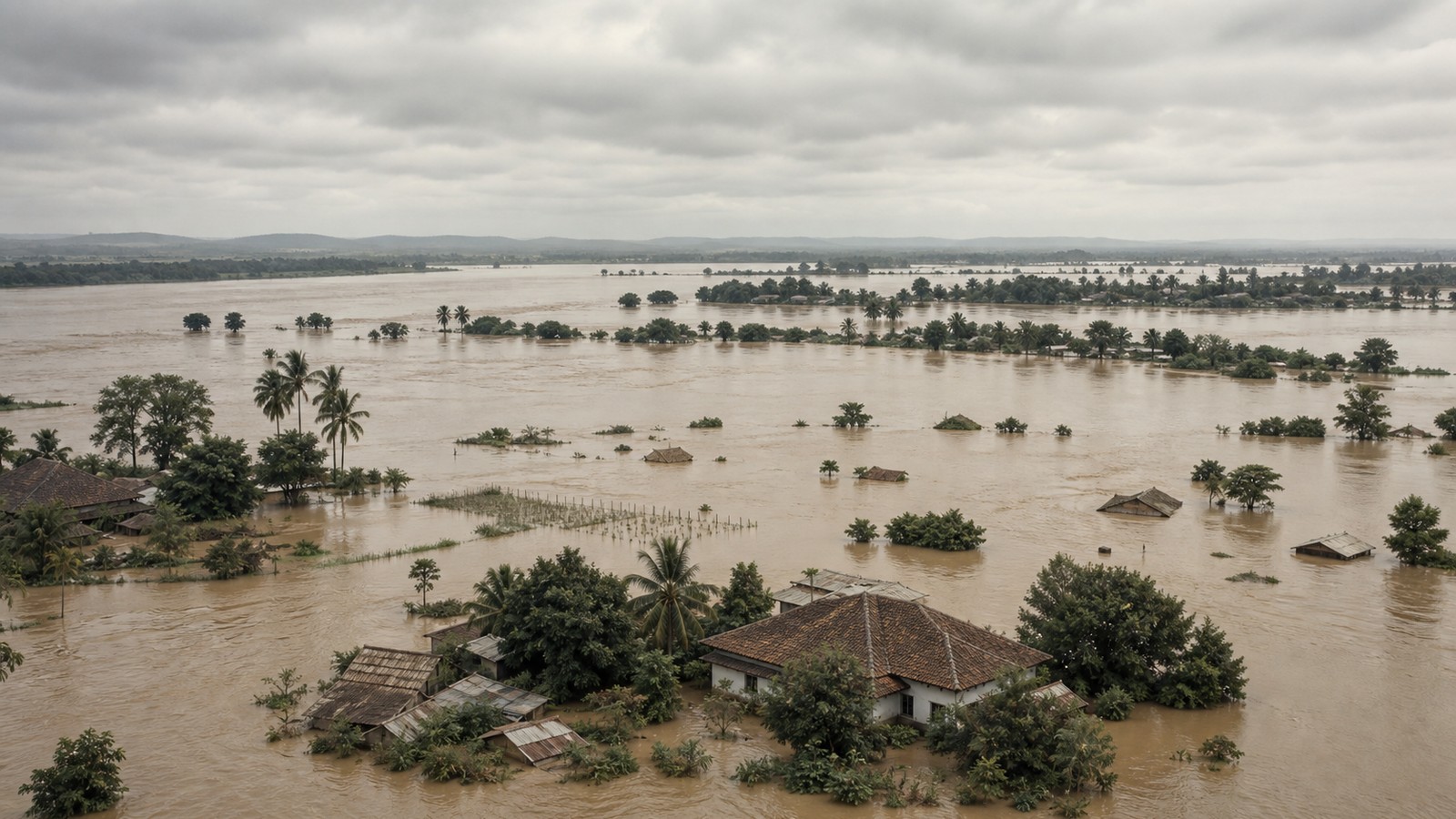
Floods happen when water arrives faster than land, rivers, drains, or coastlines can handle. Heavier rainfall and more development are raising risk in many places.
The most powerful thunderstorms are measured by hail, wind, rainfall, lightning, height, and tornado production. No single record captures every kind of storm power.
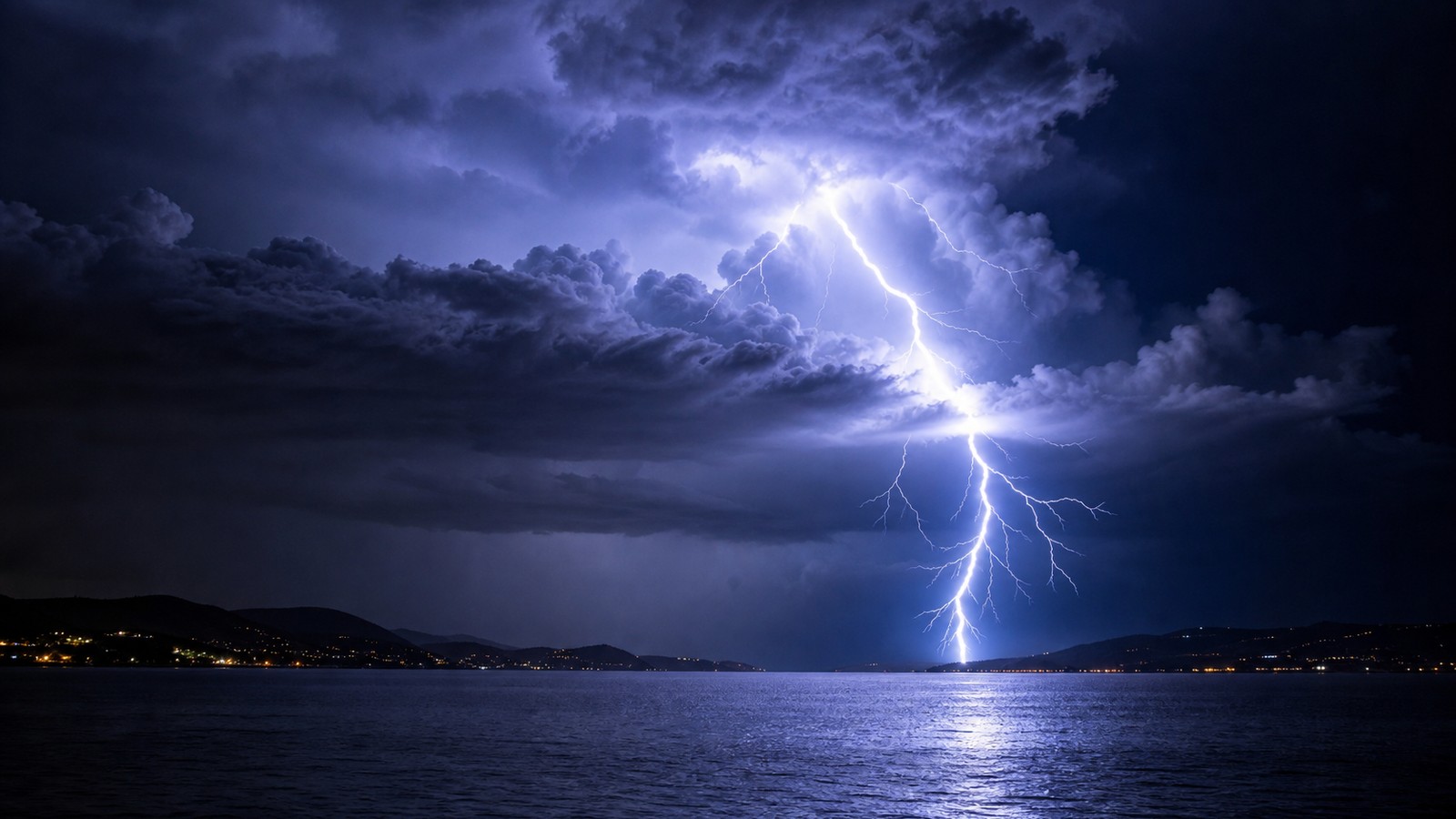
Lightning forms when thunderstorms separate electric charge until air breaks down and a massive discharge connects cloud, air, or ground.
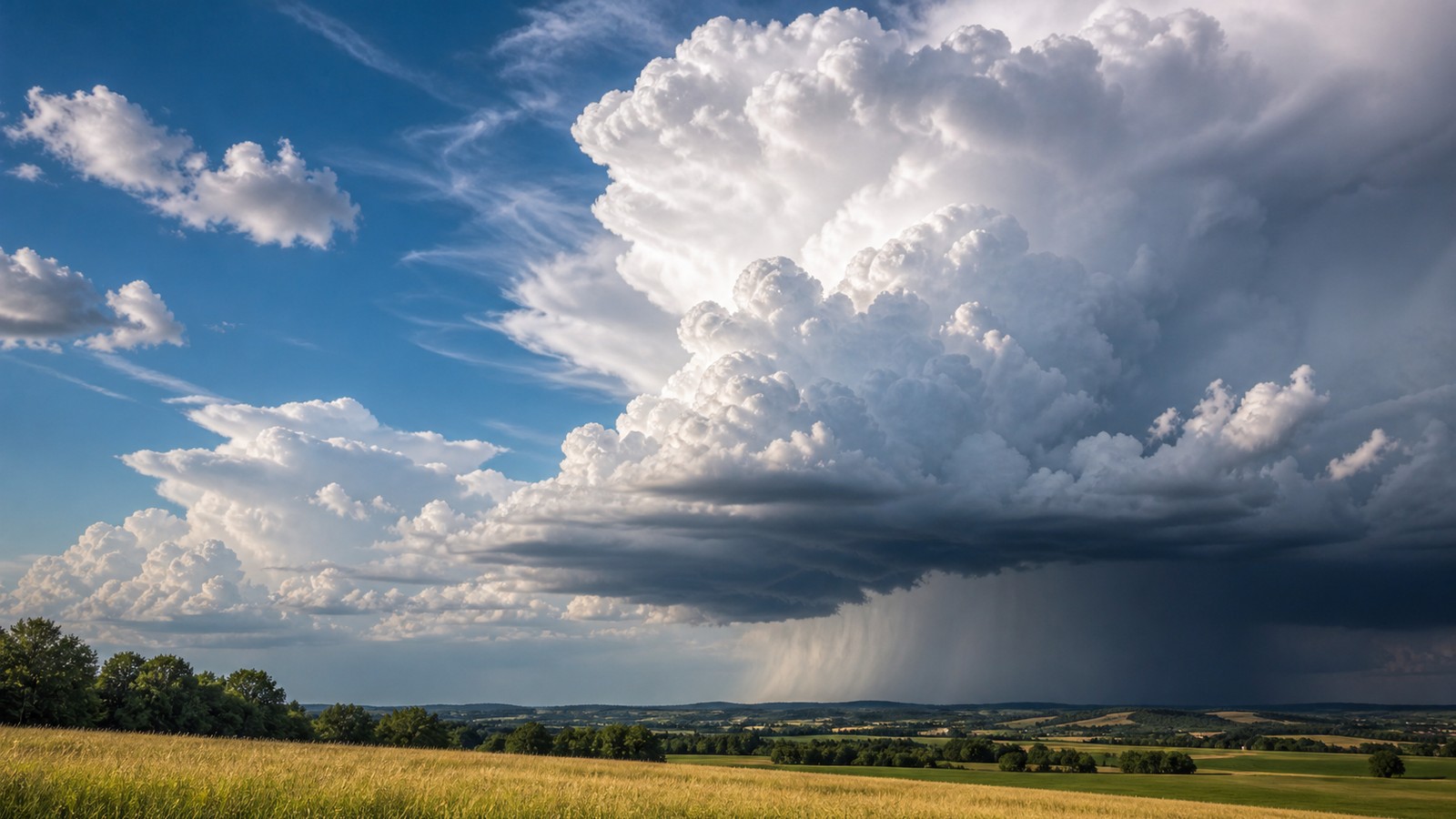
Thunderstorms form when warm moist air rises, cools, condenses, and builds deep clouds. Lift, instability, moisture, and wind shape how storms grow.
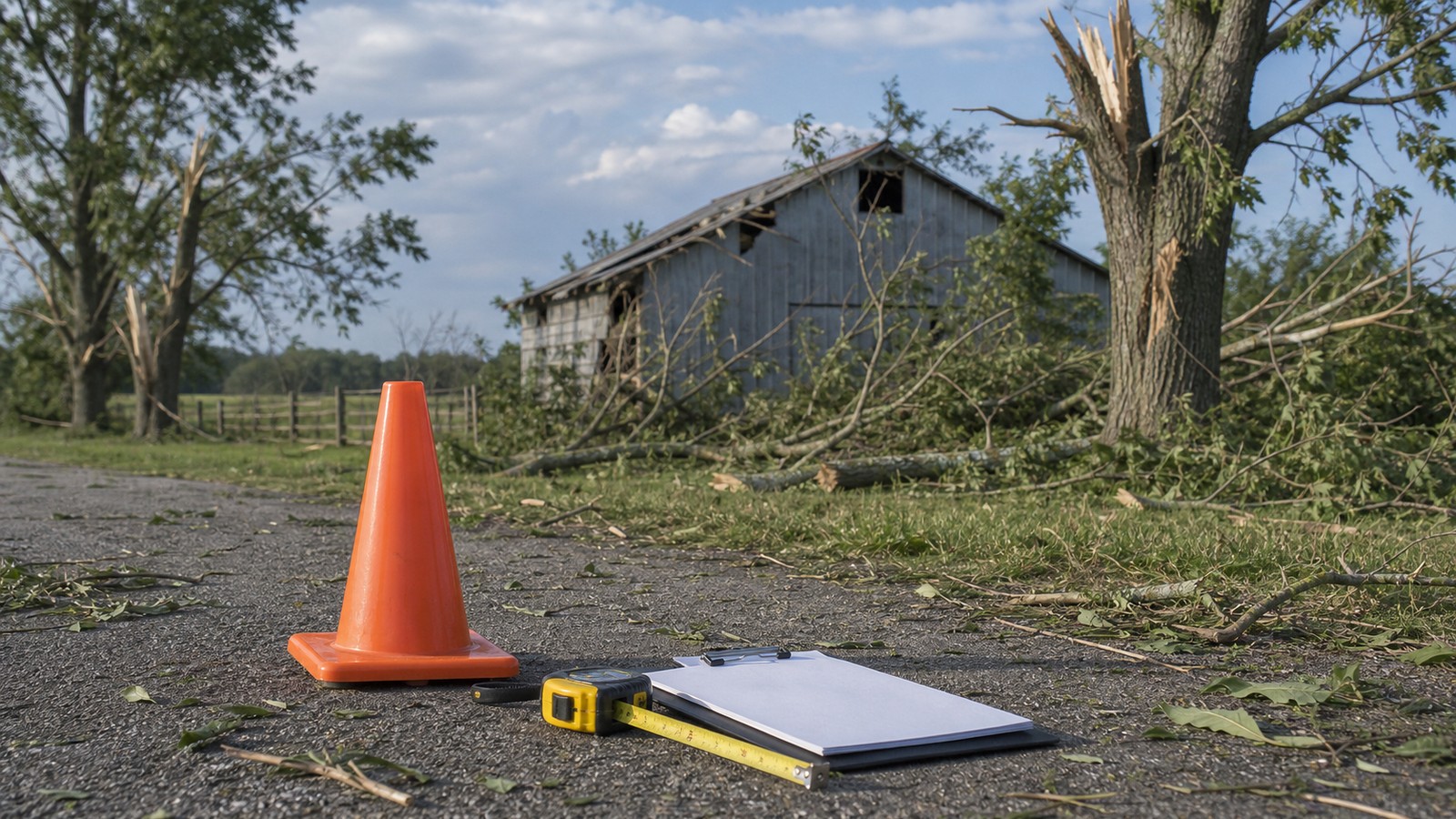
Tornado EF ratings estimate wind speeds from observed damage. Learn what EF0 through EF5 mean, why ratings are assigned after surveys, and what the scale misses.
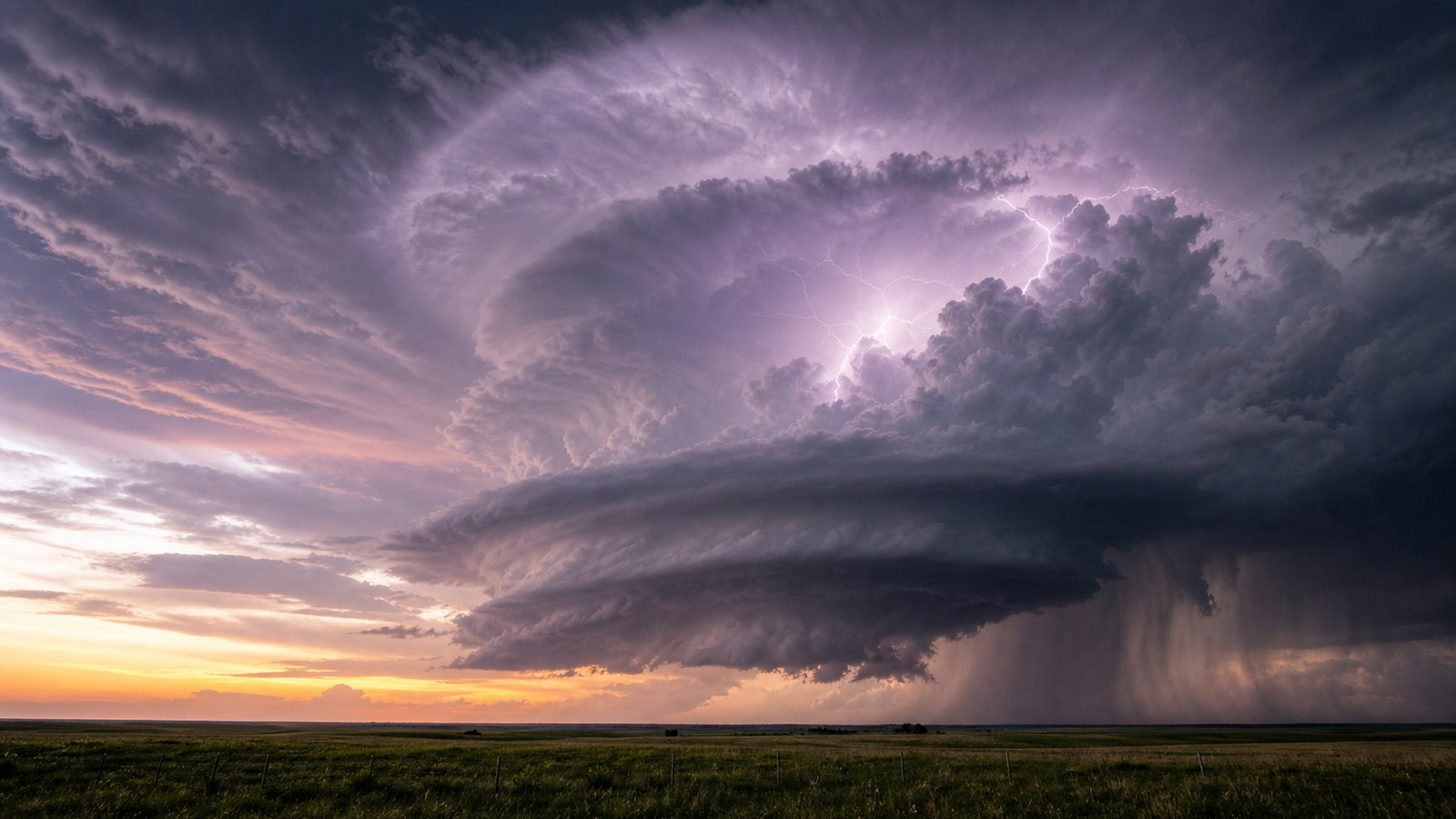
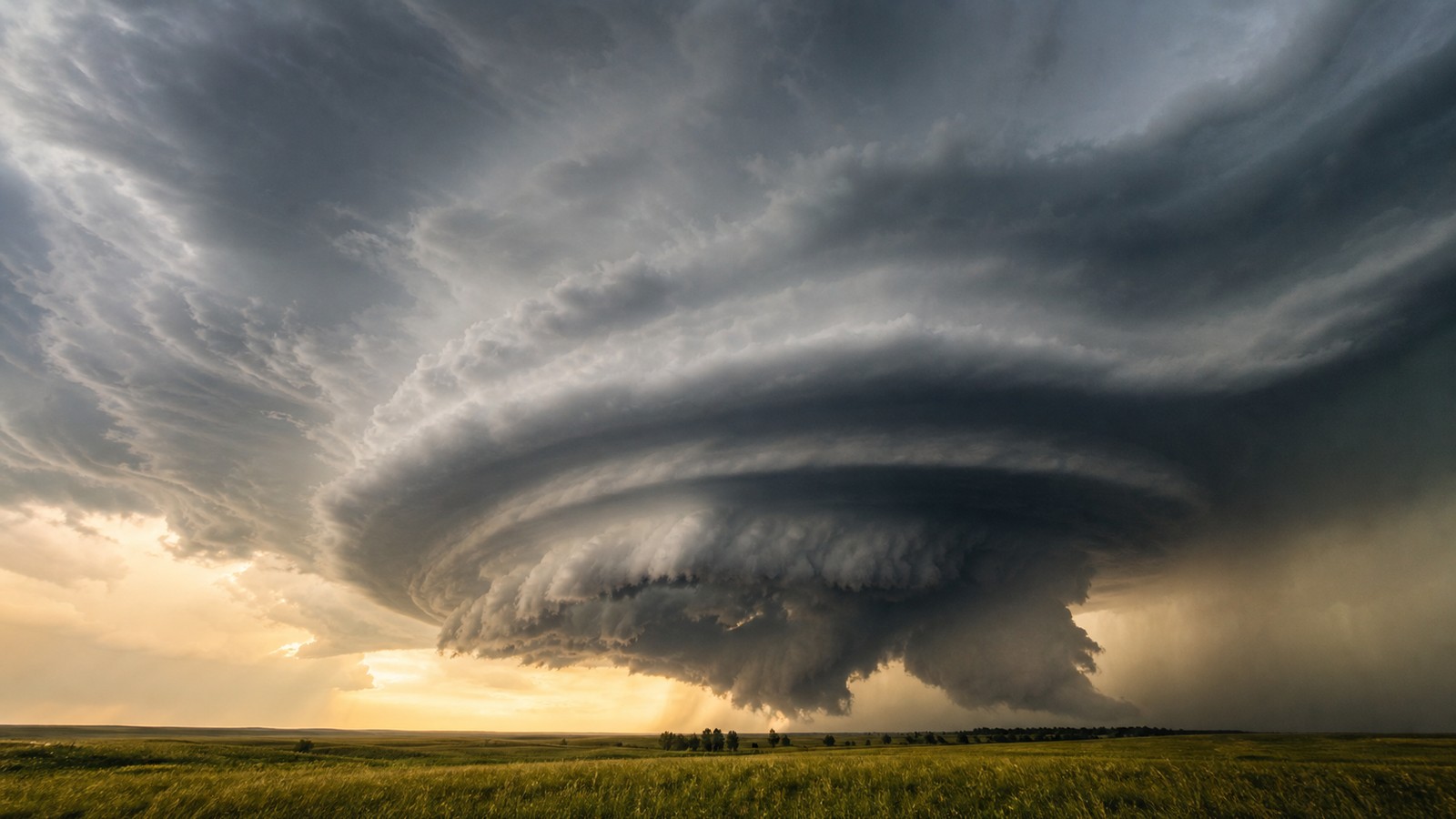
Supercell thunderstorms create the most dangerous tornadoes when a rotating updraft, strong low-level shear, and favorable inflow tighten rotation near the ground.
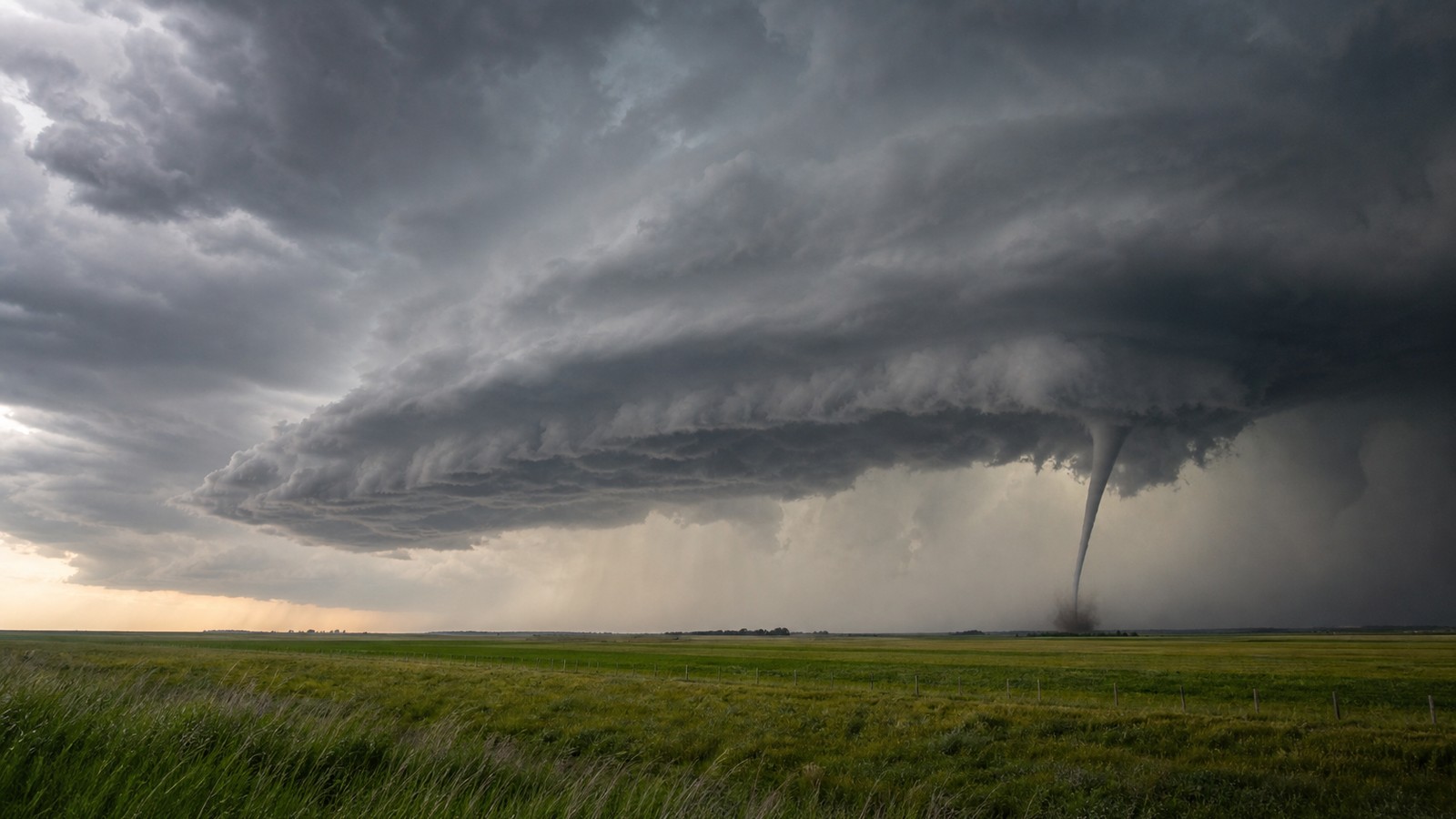
A tornado is a violently rotating column of air connected to a thunderstorm and the ground. Learn how wind shear, rising air, and storm structure create one.